‘Volatile’ prices key challenge for NI agriculture – Danske Bank
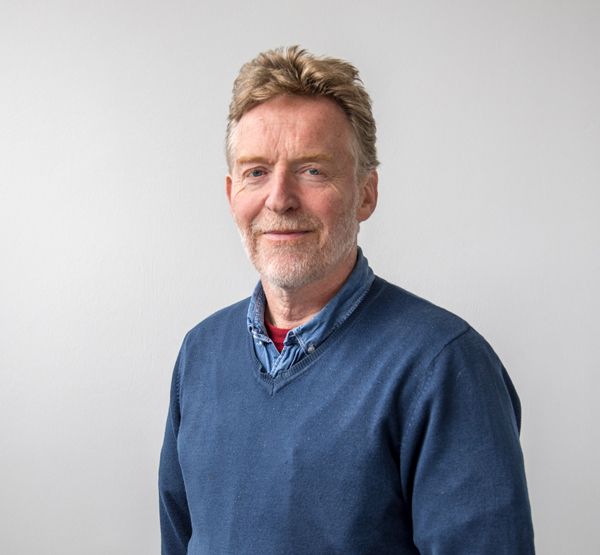
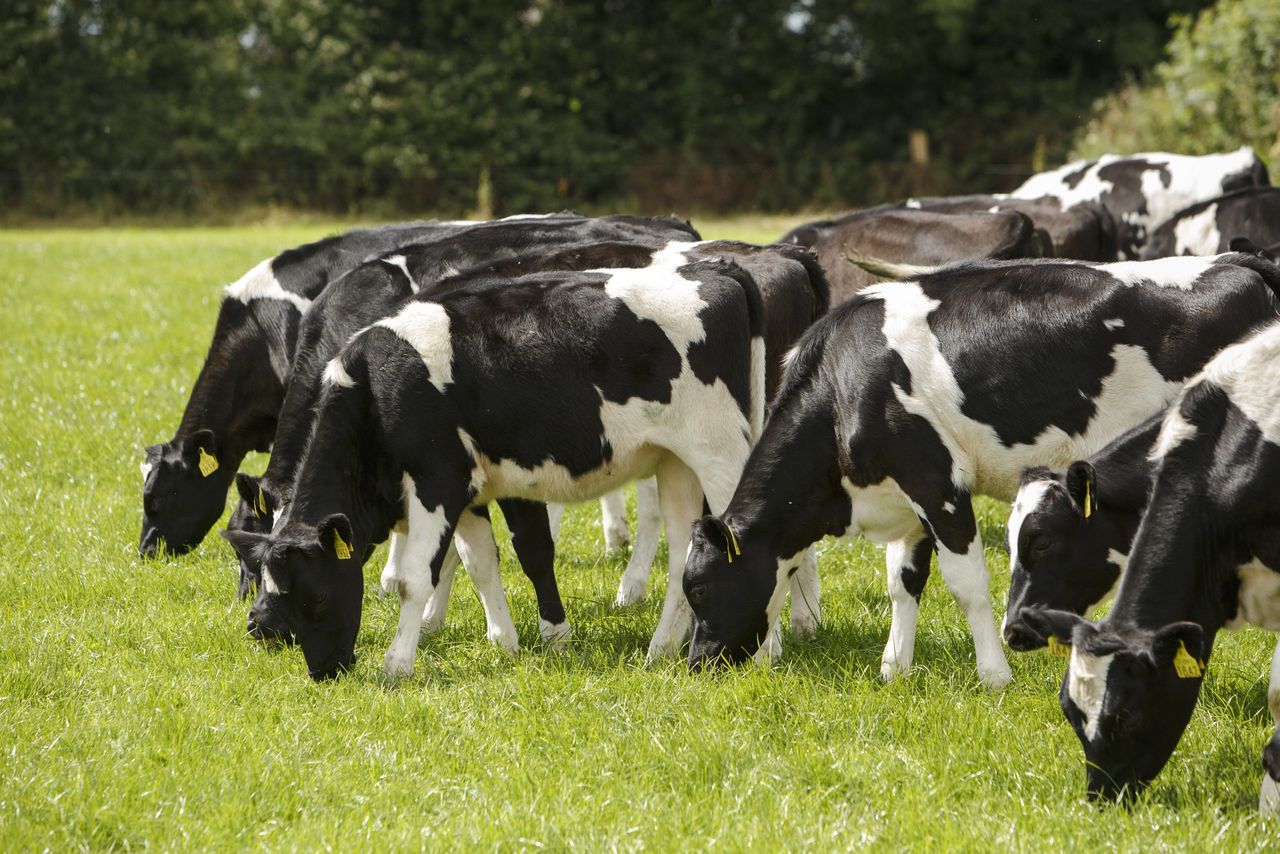
Managing the impact of volatility now constitutes the most significant challenge impacting on every farming business in Northern Ireland.
This is according to Rodney Brown, head of agri-business at Danske Bank.
He explained: "Farm gate prices continue to reflect the fast-changing state of the world's food commodity markets.
"Dairy returns are a case in point. They were very strong last year but then fell back and have now stabilised at a level that puts milk producers in a breakeven position, or thereabouts.
“Meanwhile farm input costs remain equally volatile.”
The Danske Bank representative went on to confirm that these fast-changing circumstances will define the future of local agriculture.
“Securing future resilience and sustainability is all about improving efficiency levels and investing accordingly. Simply growing a business to increase its scale is not an option.
“The way ahead for farming is all about ensuring that every aspect of a business is operating in the most effective way possible.
“The good news is that large numbers of local farmers have recognised this reality and are planning accordingly.”
Beef
Turning to the cattle sector, Brown confirmed that beef finishers have had a strong 12 months.
However, he recognises the recent downturn in beef prices and the impact this is having on margins.
“But again, it’s a question of farmers investing the profits made over the past year or so in ways that will make their businesses more sustainable into the future.”
Meanwhile, there is a general recognition that everything possible must be done by all stakeholders within agriculture to do all they can in delivering stability for the industry.
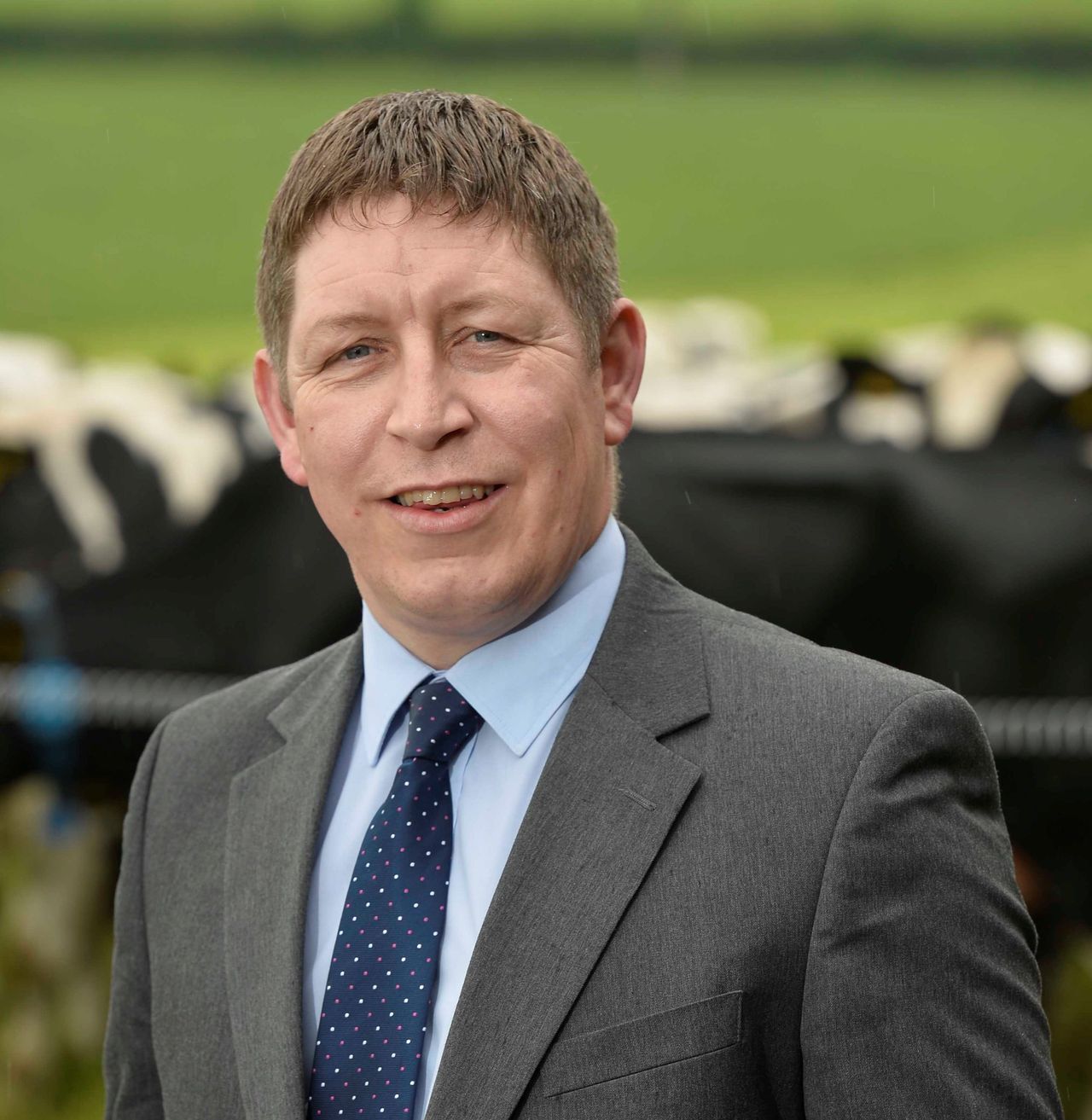
And the Northern Ireland Executive will have a key role to play within all of this.
Brown said: “We need to see clear and definitive indications from government on a wide range of issues from planning to agricultural emissions’ thresholds through to farming response to climate change.
“And we also need to see Stormont deliver long-term security regarding the support levels that will be available to farming into the future.
“All farmers wants to protect the environment. But they must be told by government what this means in very clear terms. And we are not just there at the moment.”
Significantly, the Danske Bank representative sees the working through of the new Nutrient Action Plan (NAP) as being a key priority for local agriculture over the coming months.
However, he believes there is a ‘sweet spot’ that can be arrived at; one that will allow agriculture to grow on a sustainable basis.
“Implementing new technologies will be part of this process. And farmers must be given the opportunity to make this happen," Brown said.
“For example, we now know that it is feasible to physically extract phosphate from slurry.
“The next step is that of exporting surplus phosphate from Northern Ireland in ways that will deliver opportunity for the economy as a whole.”