Welsh govt announces new BVD rules from next month onwards

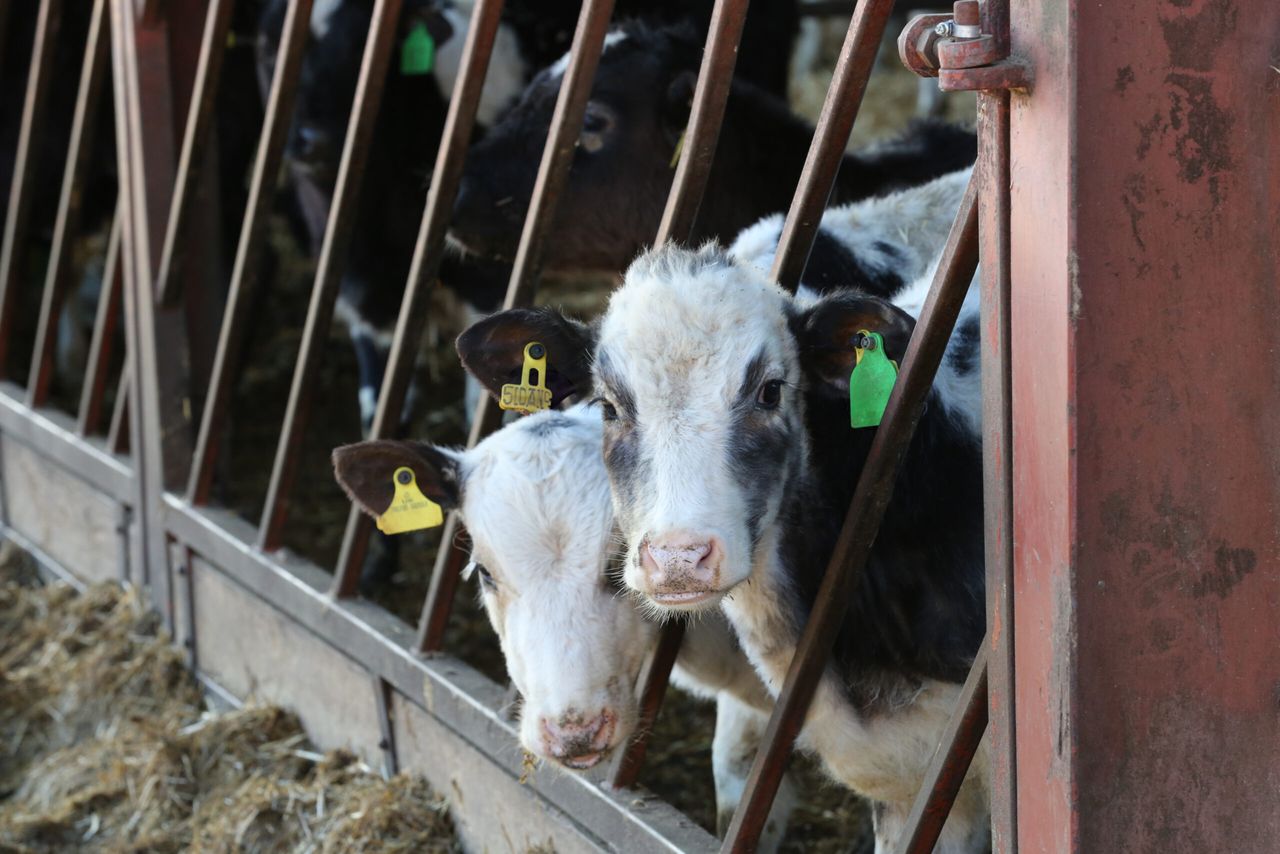
The Welsh government has announced that it will be introducing the next phase of its bovine viral diarrhoea (BVD) eradication programme tomorrow (July 1).
Government officials stated that Welsh farmers "will benefit from healthier, more productive cattle herds" once the new legislation comes into force on July 1 this year.
It has been reported that Wales will join the likes of Northern Ireland and Scotland with their new commitment to eliminating BVD.
According to the Welsh government, the eradication of the disease will lead to reduced costs for farm businesses, improved cattle health and welfare, and a decrease in the carbon footprint from agriculture.
New legislation
The government outlined that the following changes will be introduced from next month onwards:
- "Cattle keepers", whose herds do not hold a negative BVD status, must test animals before moving them off holding;
- Livestock can only move on a negative result, which is valid for 30 days - moving a BVD-positive or persistently infected animal "is an offence";
- Cattle of unknown BVD status, who are moving onto a Welsh holding from outside Wales, must be tested within 20 days of arrival.
Under the new legislation, farmers can now carry out pre-movement testing of young calves and post-movement testing of all animals themselves, which can be done using the 'Tag & Test' ear tissue sample method.
Government
Llyr Gruffydd, who is the Cabinet Minister for Rural Resilience and Sustainability, recognised that "BVD has a serious impact, not just on standards of animal health and welfare, but also on production including increasing costs to farm businesses".
He said: "Eradicating BVD in Wales has been identified as a priority by Welsh farmers themselves — and ridding our cattle herds of this disease will bring significant benefits to cattle health and productivity, and also to cattle welfare, farm profitability and carbon footprint.
"Our industry is now on the same path as Scotland, Northern Ireland and the Republic of Ireland, along with many other European countries."
Chief veterinary officer (CVO) for Wales, Richard Irvine also commented on the impact BVD can have on farm businesses.
Irivine commented: "BVD virus weakens immune systems, reduces fertility and increases the risk and impact of other diseases like pneumonia and scours.
"Equally, in some cases, keepers may not know BVD is present in their herd.
"The next phase of the industry-led eradication programme brings in new measures, including restricting movements from not-negative holdings in Wales, and the testing of cattle with unknown BVD status from outside of Wales."
The CVO added that a focus on safe sourcing of cattle can help stop the spread of the disease and speed up the removal of persistently infected animals from the national herd.
Steering group
The new legislation was constructed by the BVD Cymru Steering Group, which is chaired by John Griffiths.
Griffiths highlighted that the group's eradication programme previously conducted herd screenings, which found that four out of five herds are BVD-negative.
However, the chair outlined that the goal is to increase that BVD-free percentage to 100%.
He said: "Preventing animals with persistent infection from moving, other than killing them, is critical to hitting the goal.
"We are asking everyone who keeps cattle in Wales to confirm the BVD status of their herd now and make sure they understand what they will need to do from 1 July.
"It is possible to get rid of BVD in Wales – and taking these steps together over the coming months will bring us closer to achieving that goal."