Welsh govt launches 'refreshed' bTB eradication plan
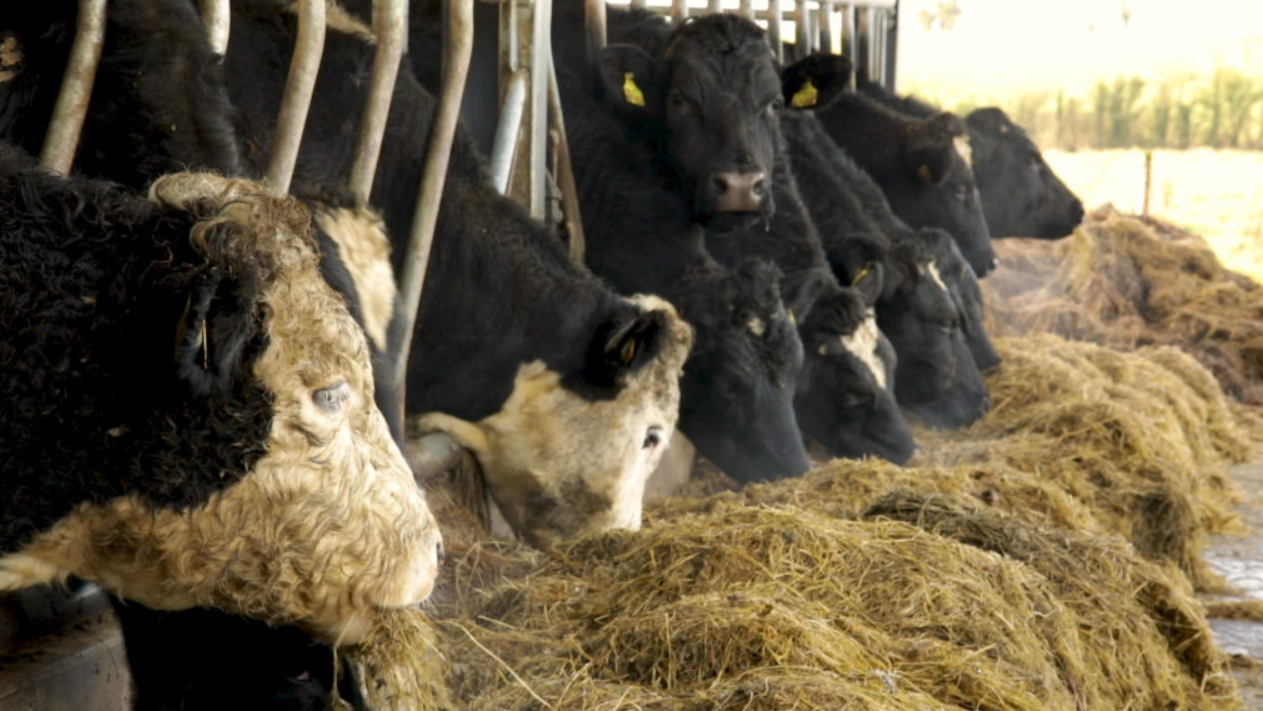
The Welsh government has launched a "refreshed" bovine tuberculosis (bTB) eradication plan.
The five-year delivery plan will build on the progress of the last few years and aim to make further progress towards a TB-free Wales by 2041, the government said.
The Welsh government said the eradication of bovine TB in Wales cannot be achieved by the government alone without the support, engagement and ownership of the farming industry and veterinary profession.
Minister for Rural Affairs Lesley Griffiths said: “I am very aware of the impact of bovine TB on our farming community and the emotional and financial consequences of this disease.
"It is extremely distressing for farmers who have an outbreak in their herd.
"That’s why I am clear we must maintain momentum and build on our already extensive programme of measures, to make further progress towards the eradication of bovine TB in Wales."
Griffiths said Wales has already made good progress, shown by the long-term trends revealing a decrease in cases.
New bTB incidents in Wales fell by 49% between 2009 and December 2022, according to the government.
94.7% of herds were free from TB at the end of December 2022 and the prevalence of bTB decreased by 32% between 2009 and 2022.
"We must build on this. However, government cannot do this alone. Partnership working is needed with our farmers and vets to reach our goal of a TB-free Wales," Griffiths added.
“The plan I have published....outlines what we can all do together over the next five years, to build on what has already been achieved. We must all unite to succeed in eradicating this disease.”
Griffiths will provide an annual update on the progress of the plan.
Points from the government's plan include:
- Integrating a greater level of partnership working, co-design and co-delivery in the programme with the aim of building trust, dispelling inaccurate information and empowering keepers to take control of their TB situation and protect their business;
- Collaborative working at a local level with the aim of empowering vets and farmers to make informed decisions and show leadership in disease control;
- A publicly appointed programme board and technical advisory group will be established to provide technical expertise on key policy areas including a review of the management of in-calf TB affected cattle;
- Legislation will reintroduce pre-movement testing for cattle movements within and from the low TB area;
- Extension of the requirement for post-movement testing in the intermediate TB areas and enabling the display of TB free herd information on ibTB to support farmers to understand the TB status of cattle they wish to purchase;
- Engagement on TB payments and informed purchasing will begin to explore policy options with stakeholders and agree a way forward.
FUW response
The Farmers' Union of Wales (FUW) has called for the Welsh government to re-evaluate and review current cattle control measures following the launch of the refreshed bTB eradication delivery plan.
Dr. Hazel Wright, FUW deputy head of policy, said the union is concerned that the new delivery plan will continue to focus on the raft of cattle controls conferred upon cattle keepers.
"The FUW believes that an essential part of any future policy must include an evaluation of current control measures as a matter of urgency in order to identify those cattle controls which have a high cost to the industry whilst having a minimal impact on disease control and spread," she said.
“The union believes that the Welsh government should use the new TB technical advisory group to conduct such evaluation, alongside determining the expected impact on cattle welfare and human health and safety due to the increased gathering and handling required to comply with additional testing proposals.
"Given that the TB programme board is responsible for providing direction and management of the TB Programme, the union therefore notes with dismay the continued appetite of the Welsh government for group stakeholder membership which involves a public appointment process."
Wright said the FUW believes, in order to facilitate partnership working on both the direction and management of future TB control in Wales, that industry involvement in the programme board is essential.
"Whilst we welcome the opportunity to engage in elements of the programme, we believe that greater more holistic involvement is needed to make further strides towards a TB free Wales," she said.