The influence of first cut silage test results

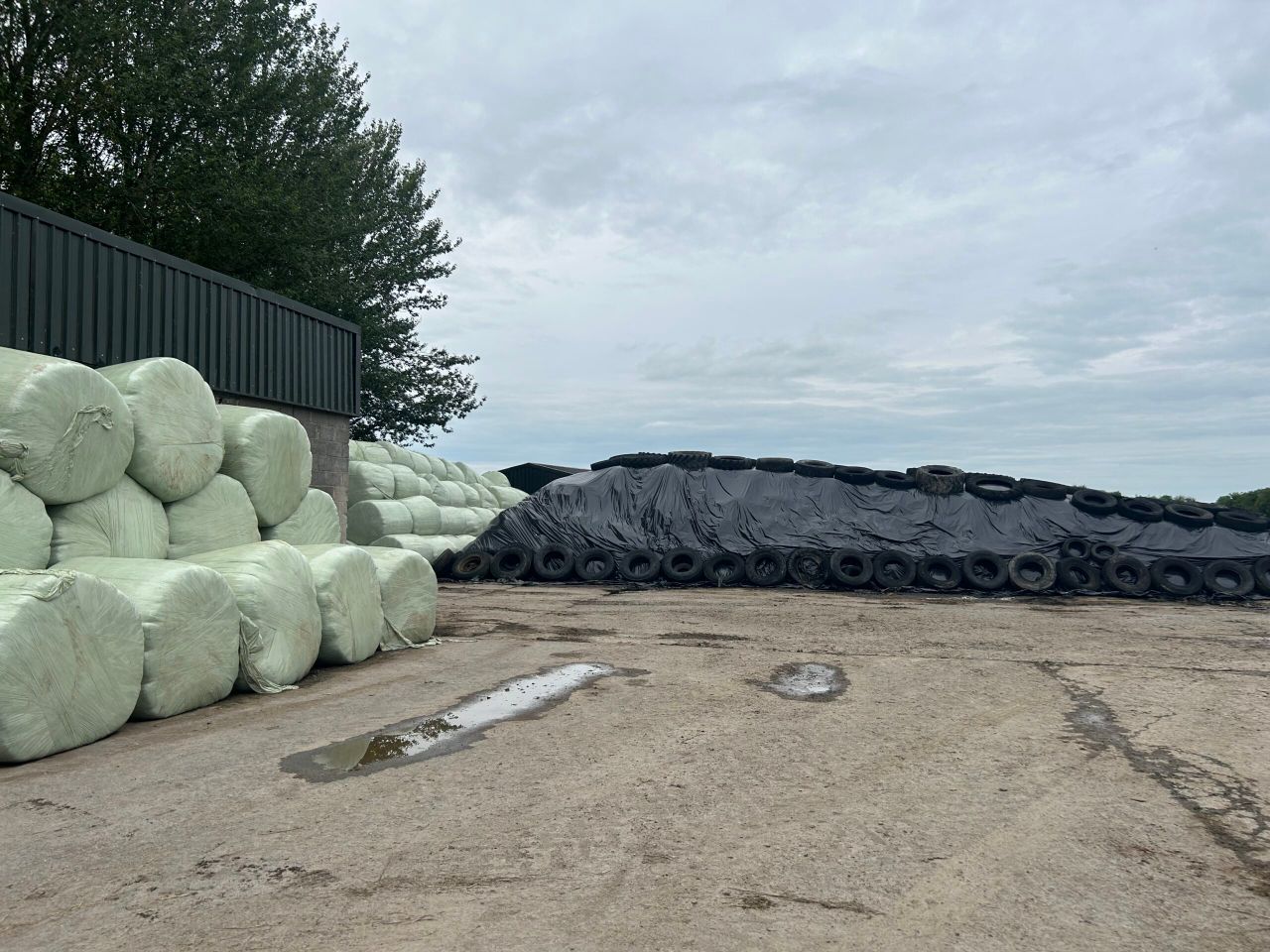
First cut silage is fully wrapped up with many farmers now eyeing up second cuts, if it has not been done already.
First cut is generally the best quality cut, with second and third crops used to bulk up fodder reserves.
However, farmers should ideally be carrying out silage testing before the mowers start humming again to get an idea of how the first cut went and where improvements can be made.
The biggest influence the results will have is on cutting dates, which were all over the place for the first cut given the weather.
Cutting dates have the biggest effect on variation in silage test results, particularly silage dry matter digestibility (DMD).
Silage test results
Realistically, farmers are only going to need dry cow silage for about 10 to 12 weeks of the winter, which is generally the lower quality bulkier crops in the second or third cuts with a DMD of 68-70%.
The remaining weeks and into the spring are going to require a higher quality silage for milking cows.
Ideally, milking cows will need at least a 74% DMD silage for the few weeks they may be housed to ensure energy requirements are being met and milk production is driving on.
It is always worth having additional quality feed for the shoulders of the year as well in case cows are being buffer fed.
The UFL of your silage is an indicator of energy, as the higher the UFL, the more feed energy for milk solids.
Dry cow silage should be between 0.72-0.75 UFL/kg, and milking cow silage from 0.83-0.88 UFL/kg.
The crude protein of silage can be impacted by the DMD of the silage and the timing and quantity of nitrogen applications.
It should be over 12% for dry cow silage and over 14% for milking cow silage.
The PDIE - which is the digestible protein in the small intestine - should be 75g/kg for dry cows and over 80g/kg for milking cows. This is determined by the UFL and crude protein levels in the silage.
The intake value of the silage should be between 90-95g/kg LW (live weight)0.75 for dry cow silage and over 105 g/kg LW0.75 for milking cow silage.
The potassium (K) content should be less than 2.2% for dry cows, as high K silage fed from two weeks pre-calving creates a milk fever risk. For milking cows, if the K content is over 2.4%, there should be no issue.
Moving onto preservation metrics, the pH of your silage should be between 4.0-4.2 and up to 4.4 for drier crops. If the pH is too high, it indicates poor preservation and if it is too low, intakes may be affected.
High ammonia also indicates poor preservation and reduces intake, so it should be less than 8% nitrogen.
Higher values of lactic acid indicate a stable and palatable silage as ideally it should be between 8-10% of lactic acid DM while high ash indicates soil contamination and should be less than 8% DM.
By testing silage now, farmers will have a better understanding of what is in the yard, and use that information to get a second or third cut with a balance between yield and quality.