Nutrition of forage maize crops drives final yield and quality

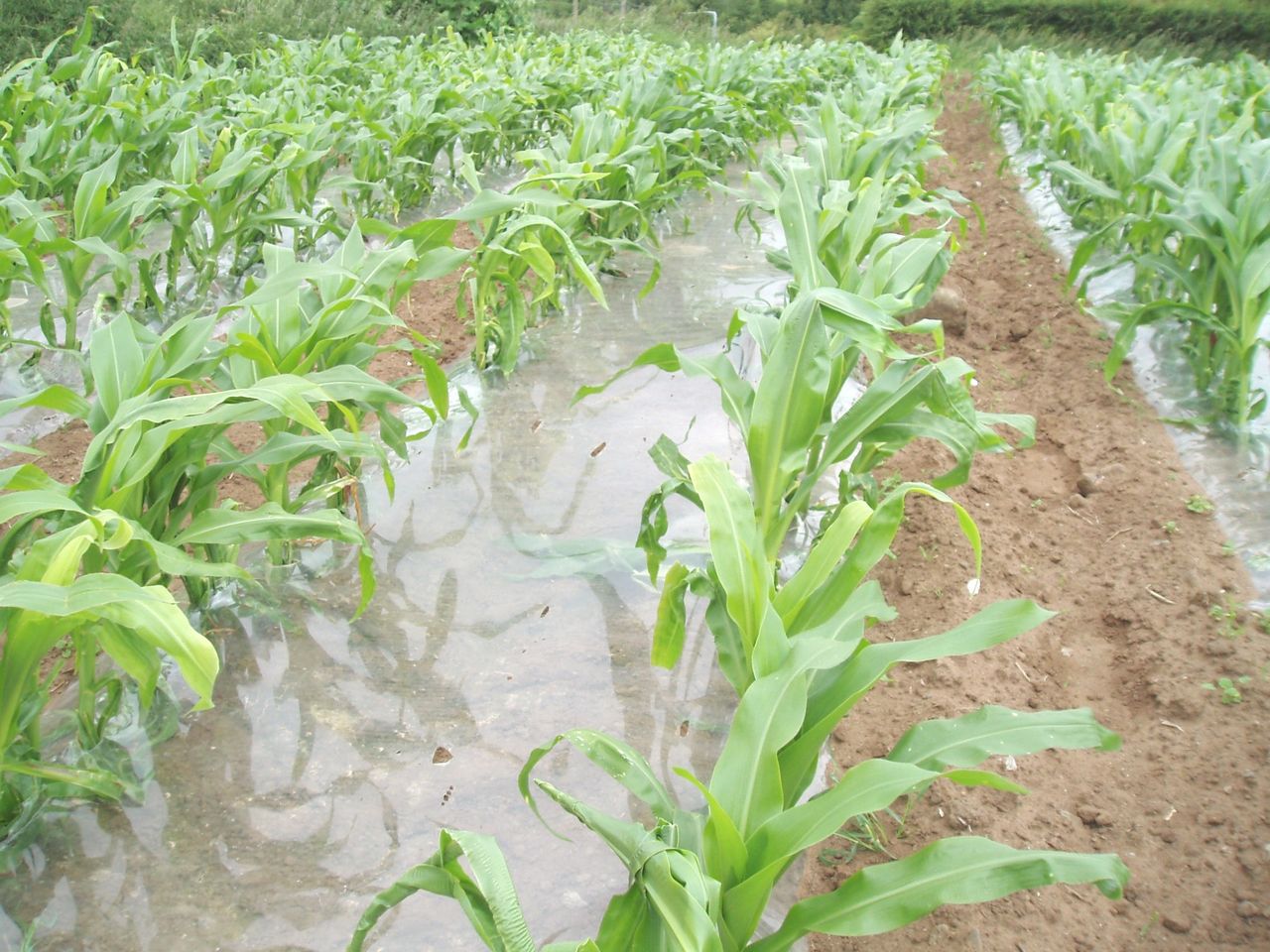
According to the Potash Development Association (PDA), forage maize is a uniquely responsive crop when it comes to nutrition.
Once established, it grows rapidly and can accumulate large amounts of biomass over a relatively short period.
A typical forage crop yielding around 40t/ha fresh weight (approximately 12t/ha dry matter) places significant demands on soil nutrient supply and fertiliser strategy.
The key principle is that nutrient supply must keep pace with crop growth. Maize can produce high yields quickly.
But any limitation in nutrient availability, whether from soil reserves, fertiliser timing or rooting restrictions, will reduce both yield and quality.
In particular, silage quality depends on achieving a strong cob component, ideally contributing at least 50% of crop dry matter, rather than excessive leaf and stem.
Nutrient management in maize is therefore not simply about applying the right total amounts.
It is about ensuring that nutrients are available in the right balance, at the right time, and in a form the crop can access efficiently.
Soil structure, rooting conditions and moisture availability are all integral parts of this system.
Nitrogen
Nitrogen (N) is the main driver of maize growth, but achieving the correct balance is critical.
A typical 40t/ha forage crop removes around 160kg N/ha, with peak crop demand reaching approximately 210kg N/ha during rapid growth.
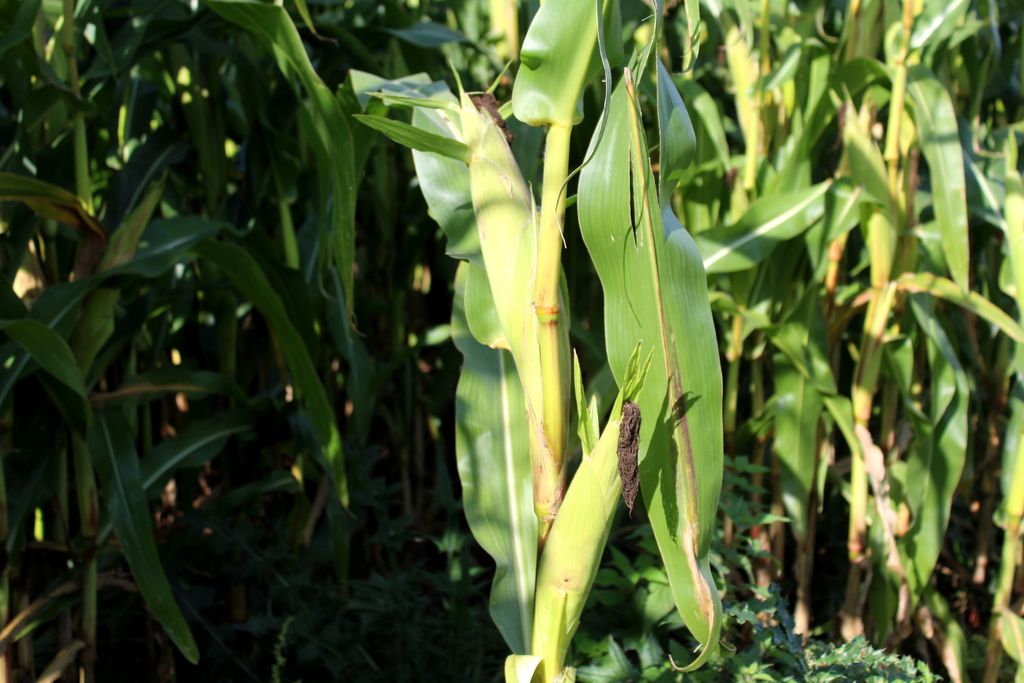
Where nitrogen supply is insufficient, the crop develops smaller leaves, limiting photosynthesis and reducing starch production.
The result is lower yield and poorer feed value, according to the PDA.
However, excess nitrogen can be equally problematic. It encourages excessive vegetative growth, increases the leaf-to-cob ratio, and can delay maturity.
Crops may also become more prone to lodging.
The fertiliser nitrogen requirement must always be considered alongside soil nitrogen supply.
Fields with a history of manure use, previous grass leys or high organic matter may supply significant nitrogen through mineralisation.
Conversely, lighter soils or continuous arable rotations will supply far less.
Splitting nitrogen applications can improve efficiency. Applying some nitrogen later in the establishment phase or early growth period can support the crop during key stages of demand.
This approach can be particularly beneficial in seasons where early-applied nitrogen may be less available due to leaching.
The objective is to match nitrogen availability to crop growth – supporting rapid early canopy development while avoiding the excess that compromises maturity and feed quality.
Potash
Potash (potassium) is the most critical nutrient in maize after establishment due to the sheer scale and speed of demand.
A 40t/ha crop can take up around 360kg/ha of K2O by early August, with daily demand reaching approximately 8kg/ha during peak growth.
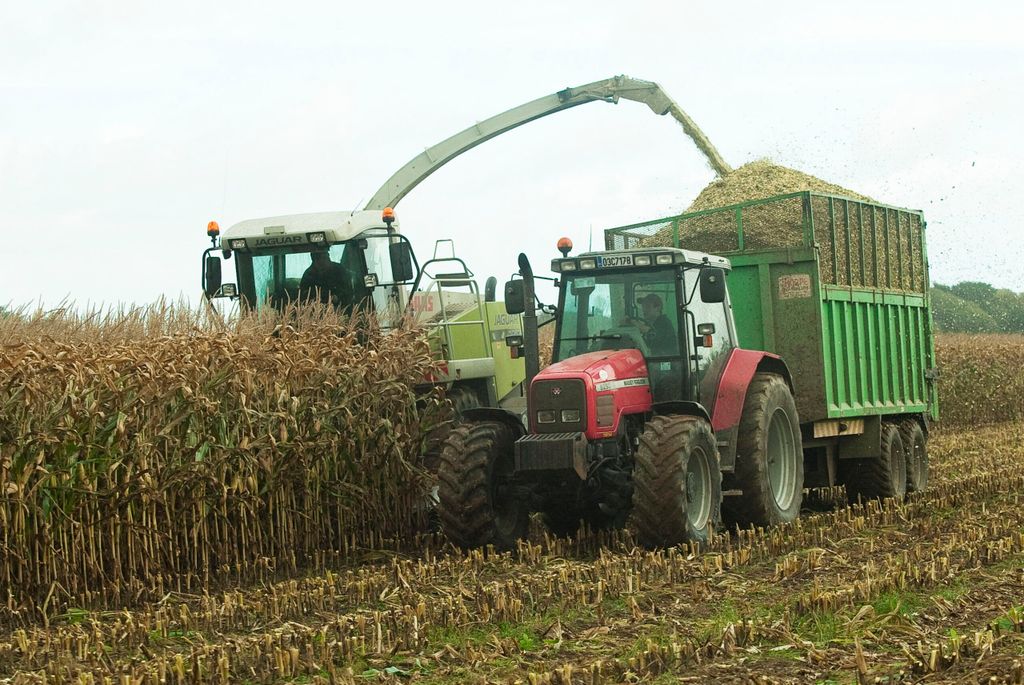
Although not all of this is ultimately removed from the field, off take remains significant at around 175kg K2O/ha for a typical crop, increasing further with higher yields.
This makes maize one of the most potash-demanding crops in the rotation.
Potassium plays several essential roles. These include: regulating plant water status and improving drought tolerance; supporting the movement of sugars within the plant; enabling starch accumulation in the cob and maintaining leaf structure.
If potash supply is inadequate, crops are less resilient to stress, and cob development can be compromised.
This often results in poor grain fill and reduced silage quality, even where canopy growth appears strong.
According to the PDA, maintaining soil potassium at Index 2 or above is critical where maize is grown regularly.
At this level, the soil is more capable of supplying both the total demand and the high daily uptake required during rapid growth.
Where soil indices fall below this, the risk of yield and quality penalties increases significantly.
Potash management should therefore be viewed as a long-term strategy.
Replacement of crop off takes is essential to avoid gradual depletion of soil reserves, particularly in high-yielding systems or where organic manures are not routinely applied.
Phosphate
Phosphate plays its most important role early in the crop’s life, but its influence extends throughout the season.
It is essential for root development, particularly in the early stages when the crop is establishing its ability to access water and nutrients.
Cold temperatures at this time restrict root development and phosphate uptake, often causing deficiencies.
A typical maize crop removes around 55kg/ha P2O5 at 40t/ha fresh yield.
However, the critical factor is not total phosphate in the soil, but its availability during early growth.
Poor phosphate availability at this stage can limit root development, reducing the crop’s ability to take up other nutrients and water.
Oils should be maintained at Index 2 for phosphate. At higher indices, fertiliser inputs can often be reduced, while lower indices require additional applications to maintain crop performance and rebuild reserves.
Although phosphate management is largely an early-season consideration, its effects are seen well into the growing season.
Crops that established well with adequate phosphate typically show stronger root systems, more consistent growth and improved resilience to stress later on.
Sulphur
Sulphur has often sat in the background of maize nutrition, but it deserves more attention in modern systems.
Sulphur is a constituent of protein along with nitrogen with the supply of the two nutrients closely linked.
A shortage of sulphur reduces the efficiency with which nitrogen is used.
Although manures contain sulphur, much of it may not be readily available.
Where sulphur is short, protein synthesis is impaired and part of the value of applied nitrogen is lost.
This is increasingly relevant in modern maize systems where crops are expected to use fertiliser nitrogen efficiently and where reliance on soil reserves or organic manures may not always meet total demand.
Studies have shown a clear trend of increased grain yield and improved nitrogen-use efficiency after sulphur application, with a particularly positive effect at lower nitrogen rates.
They have also shown improved biomass accumulation, nutrient uptake, gas exchange and antioxidant activity in maize, with a resulting yield improvement under drought conditions.
Where maize is grown on lighter land, as is often the case, or after a wet winter such as we’ve just experienced, sulphur deserves greater focus.
Slurries and digestate
Maize is one of the most suitable crops for utilising organic manures, with the majority of crops receiving slurry, farmyard manure or digestate.
According to the PDA, these materials can supply significant amounts of nitrogen, phosphate and potash, but their nutrient value must be accurately accounted for.
Digestate, in particular, can provide a readily available source of nutrients, though its composition varies depending on feedstock.
Slurry and manures also vary widely, meaning typical values should be treated as indicative rather than definitive.
Losses can be significant, especially for nitrogen. Broadcast digestate can lose a substantial proportion of its nitrogen through ammonia volatilisation.
Minimising these losses through rapid incorporation, injection or other reduced emission application techniques can improve nutrient efficiency and reduce environmental impact.
A key management risk is over-application. While organic manures are valuable, repeated applications can raise soil phosphate and potash beyond optimal levels, particularly where inputs are not adjusted for crop off take.
Regular soil analysis is therefore essential to ensure nutrients are being balanced correctly across the rotation.