NFU asks Welsh government to 'keep a close eye' on bird flu
The National Farmers' Union of Wales (NFU Cymru) has urged the Welsh government to "keep a close eye" on the spread of avian influenza (bird flu) after further cases of the disease were confirmed.
NFU Cymru poultry members have said that new cases of the highly pathogenic disease in Buckley, Flintshire, and Tattenhall, Cheshire, have heightened their concerns.
The union's response comes after a statement issued on Tuesday (November 8) by rural affairs minister Lesley Griffiths.
The minister confirmed that Wales would not yet be introducing a mandatory housing order like the one now in place in England. She said the situation remains under daily review.
Earlier this week, NFU Cymru members held a meeting with the interim chief veterinary officer (CVO) for Wales to discuss their growing concerns over the latest outbreak of bird flu.
During the meeting, the Welsh government reminded all keepers that they must keep their birds safe by applying the biosecurity measures in the All-Wales Avian Influenza Prevention Zone, as well as the Welsh government's current position on housing measures.
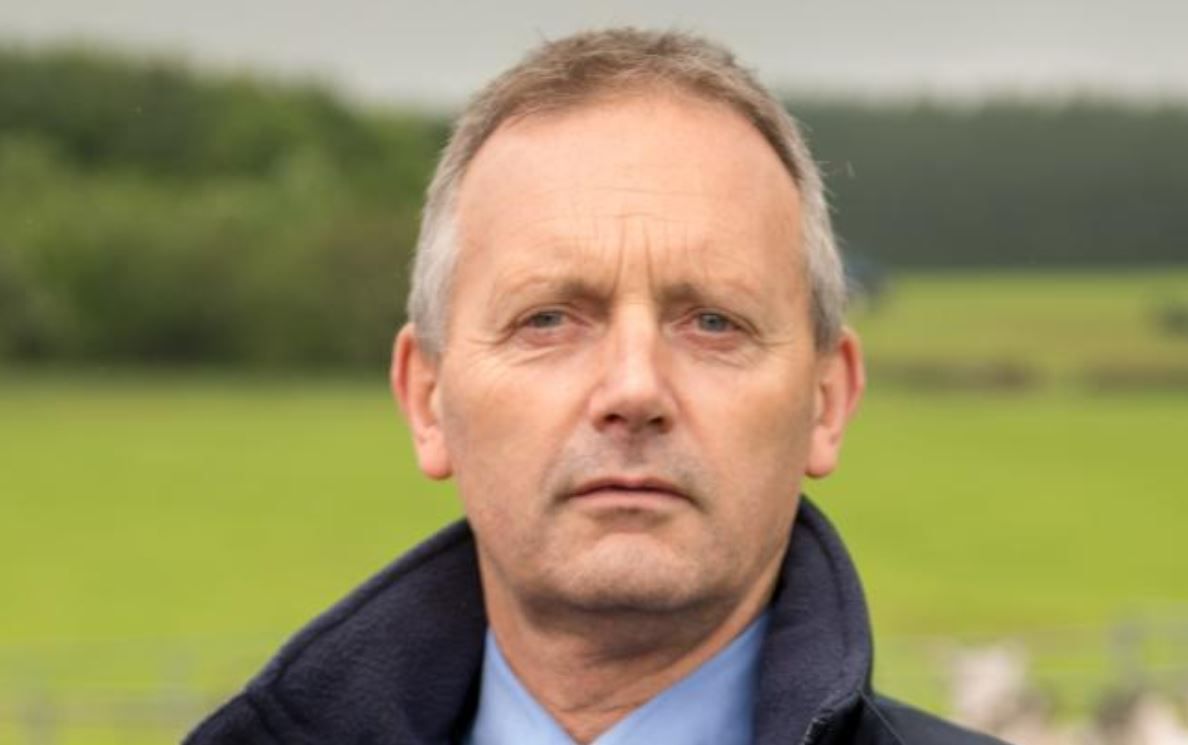
NFU Cymru poultry chair, Richard Williams, said; "Everyone connected with the poultry industry is extremely concerned at the current AI (avian influenza) picture and the priority for everyone at this time is protecting our flocks from this disease.
Williams said that the general feeling of those in attendance at the meeting was that the Welsh Government should also introduce housing measures as an additional protective shield for birds in Wales.
"NFU Cymru urges Welsh government to keep a very close eye on the continued spread of AI and to take fast action if and when it is required to prevent further cases," Williams said.
"I make no apologies for repeating the important message that all poultry members must continue to practise enhanced biosecurity at all times and to be vigilant for any signs of disease in their flock.
"All bird keepers – whether they be larger commercial businesses or those with small ‘backyard’ flocks - have an important part to play in reducing the risk of AI," he concluded.