New cases of lettuce Fusarium wilt confirmed in UK
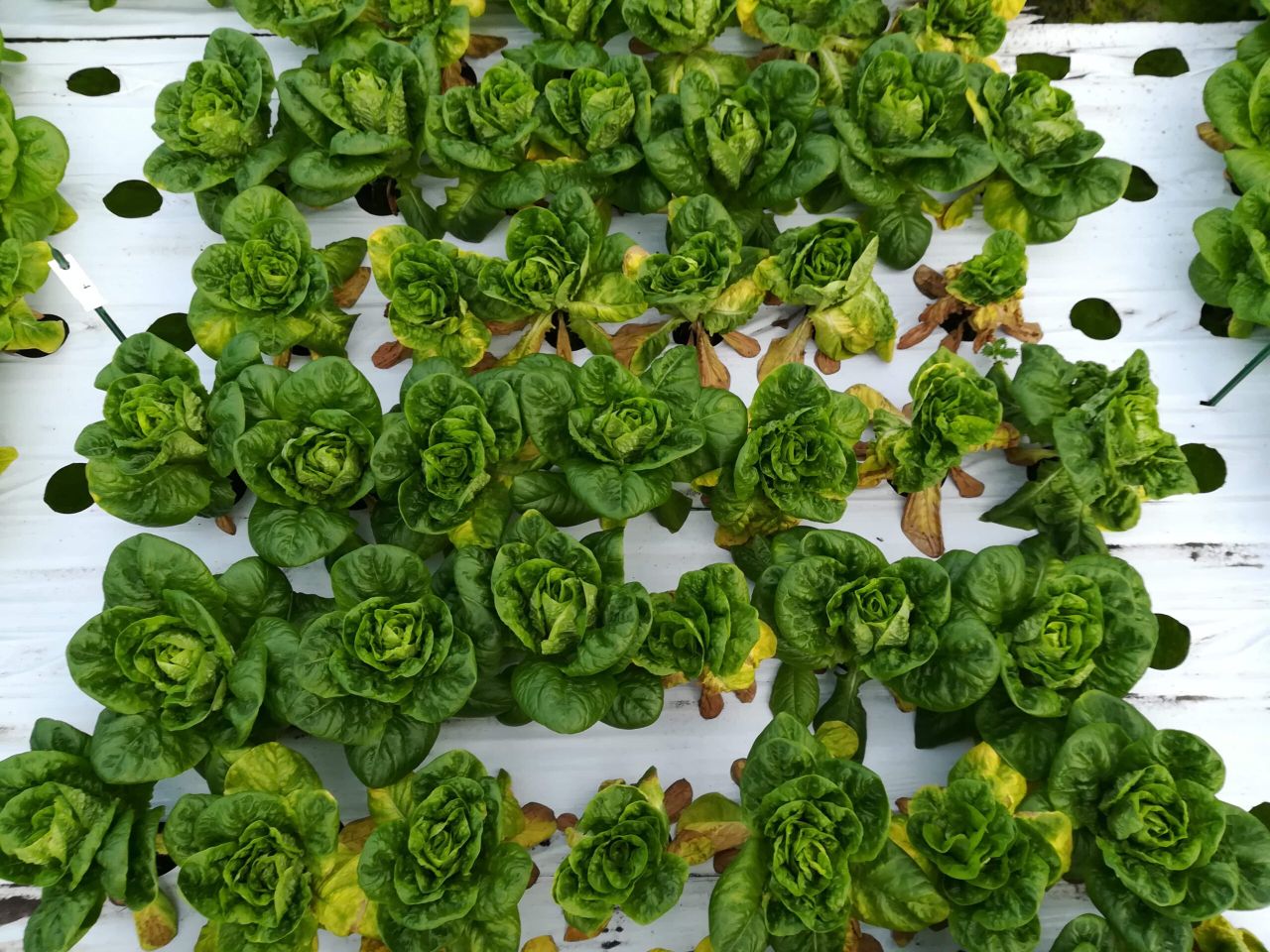
New outbreaks of lettuce Fusarium wilt have been confirmed at sites in Lancashire and Ireland, with a further case identified in Cambridgeshire this summer.
To prevent further spread of the disease, growers are reminded to implement good crop hygiene and seek early diagnosis where cases are suspected.
First identified in the UK in October 2017, these latest cases confirm the spread of the potentially devastating disease. All have been identified in protected lettuce crops, which are grown in greenhouses.
Trials are currently underway at University of Warwick as part of the Agriculture and Horticulture Development Board (AHDB) SCEPTREplus project to test the impact of plant protection products on the disease.
New AHDB-funded work will also start this autumn to find out more about the biology of lettuce Fusarium wilt.
Lettuce and baby leaf salad production were valued at £171 million in the UK in 2017.
Kim Parker, crop protection scientist at AHDB, said: “The effective use of techniques to detect the strain of the disease identified in the UK – lettuce Fusarium wilt race 4 – in samples has provided the opportunity for prompt disease diagnosis. This has enabled affected growers to implement measures to minimise disease spread.”
The University of Warwick has used conventional and molecular techniques as part of work to detect presence of the disease.
Dr John Clarkson, who leads the AHDB-funded research on the disease, explained: “Lettuce Fusarium wilt is a soil-borne disease that can survive in soil for several years, so rigorous hygiene is essential to prevent disease spread between crops, glasshouses, nurseries and plant propagators.”
Guidelines and recommendations:
A technical review, summarising the current information on the disease and potential management strategies, as well as hygiene guidance, can be found on the AHDB website.