LMC: Two public consultations could shape future of NI agriculture
The coming weeks will see two key public consultations fundamentally determining the future shape of agriculture in Northern Ireland.
This is a view strongly held by Livestock and Meat Commission for Northern Ireland (LMC) chief executive, Colin Smith.
The issues in play are the public consultation on the make-up of Northern Ireland’s new Nutrient Action Programme (NAP).
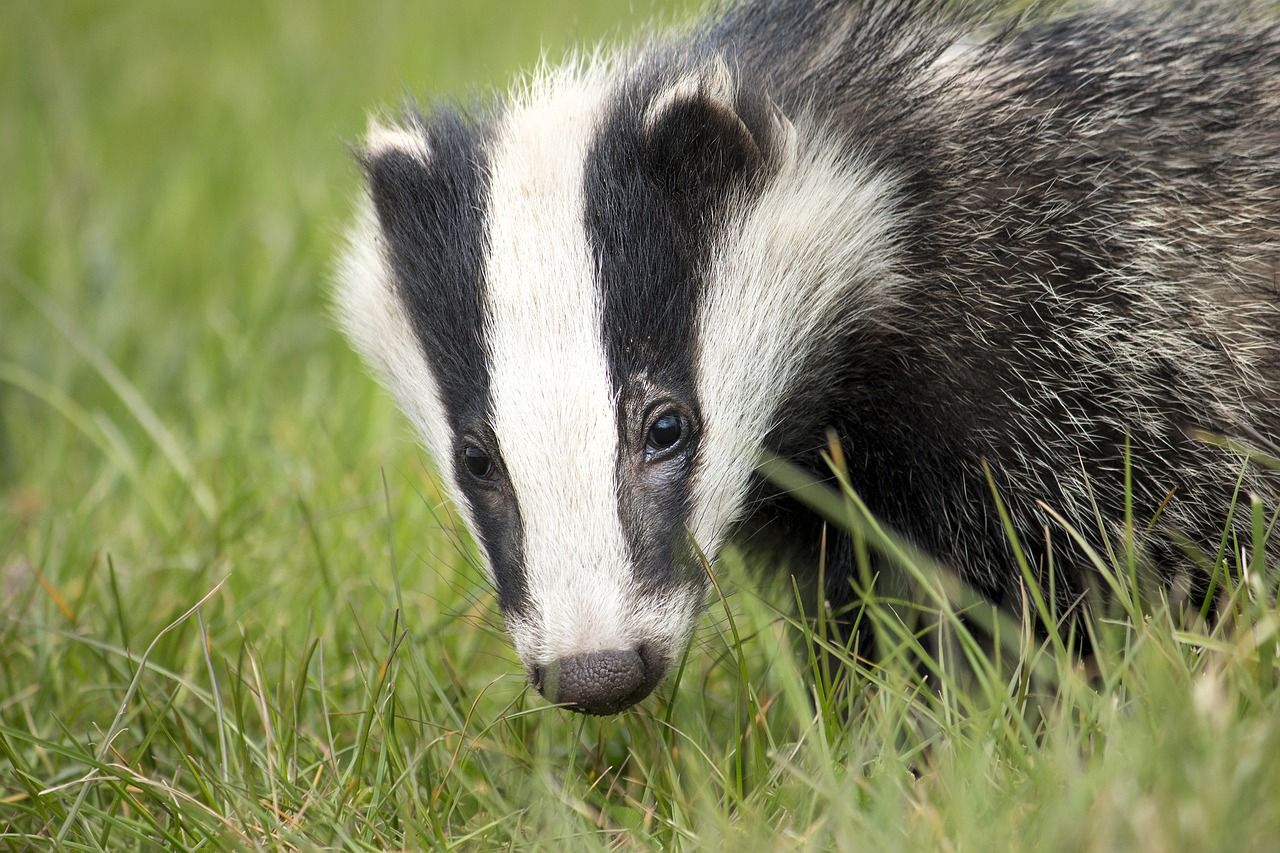
But following closely on its heels has come a similar process, a public consultation addressing the best way to eradicate bovine tuberculosis (bTB) with a specific focus on wildlife intervention options.
Both consultations were launched over recent days.
The LMC representative said: “In both cases, the best way forward involves all the relevant groups coming together and agreeing a way forward in a spirit of collaboration.
"Compromise will be required: it’s all about finding an outcome which everyone can accept.”
According to Smith, underpinning the compromises required is an "absolute recognition" on the part of all the parties involved of "the end point that everyone wants to see reached".
"Where NAP is concerned, the issue in focus is the need to improve water quality in Northern Ireland," he continued.
“Resolving the bTB challenge requires a pragmatic, evidence-based approach that maintains a sustainable balance between badger populations and healthy cattle herds across all of our rural areas.”
NAP consultation
The NAP consultation is based on a detailed series of proposals brought forward by the Task and Finish Group, established by Minister for Agriculture, Environment and Rural Affairs, Andrew Muir nine months ago.
Smith stressed: “No one is under the illusion that putting in place a new NAP and having it fully complied with will be easy.
"But it is already evident that the new measures can provide a pathway towards a sustainable future for cattle and sheep production in Northern Ireland.”
LMC will be participating in the NAP public consultation. Prior to this, however, the organisation will liaise closely with farming stakeholders and representatives of the red meat processing sector.
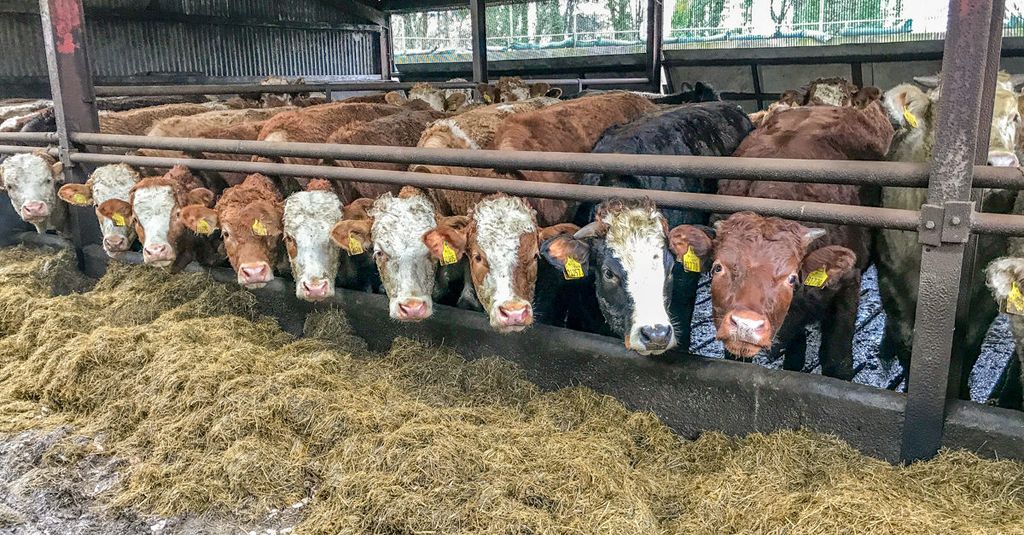
“It’s important that farmers also participate in the NAP public consultation," the LMC chief executive said.
"Before responding, they should get all the advice they need regarding the proposals that are now on the table.
“Each farm operation is different and the implications of the current proposals will have differing consequences for individual businesses.”
While it is still early days in terms of fully assessing the impact of the proposals published by the NAP stakeholder Task and Finish Group, the general consensus from within LMC is that the measures show clear progress from what was contained within the raft of recommendations put forward by the Department of Agriculture, Environment and Rural Affairs some 12 months ago.
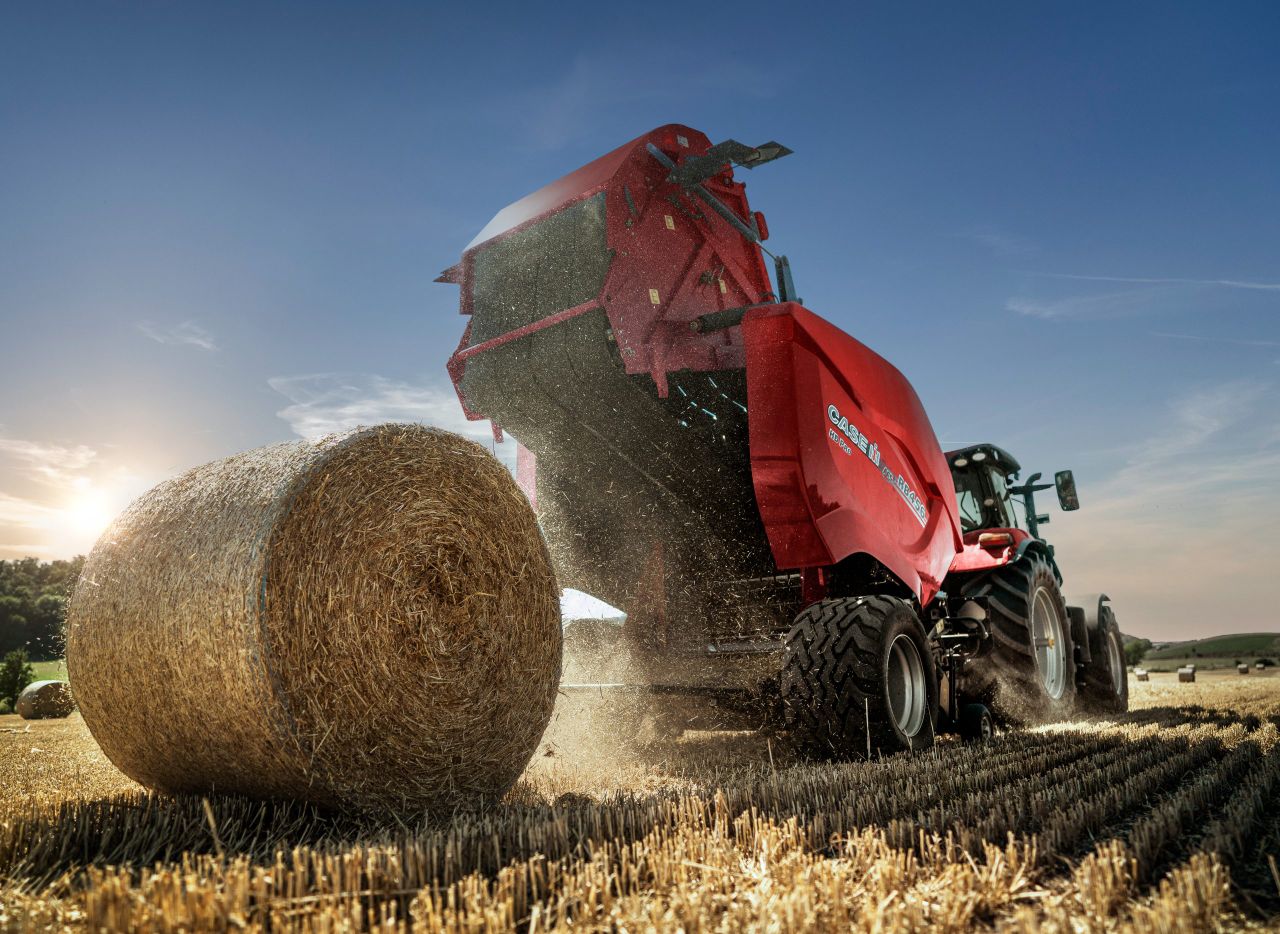
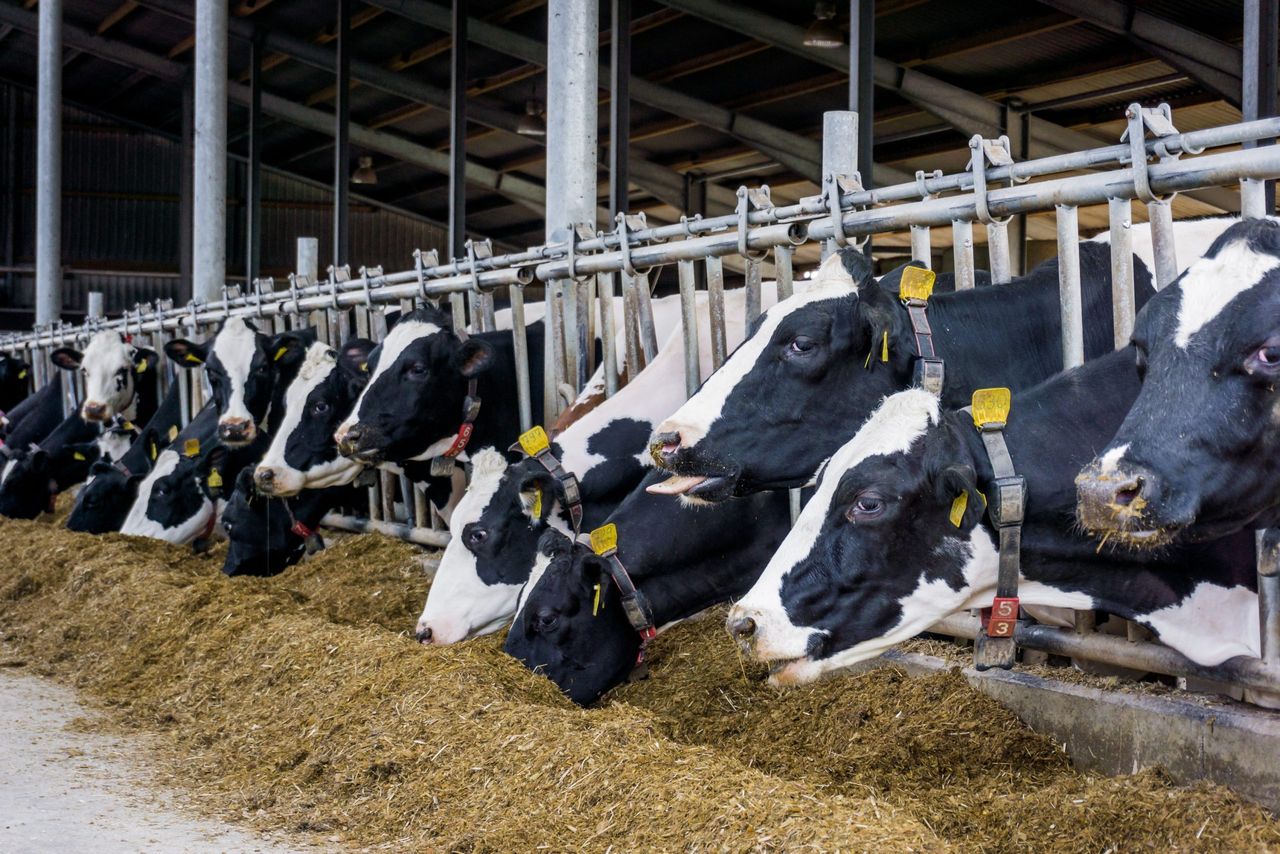
Two important changes within NAP 2026 compared to the 2025 proposals that will have a direct bearing on the cattle and sheep sector include the continuing provision to allow the three-high stacking of silage bales and the graduated introduction of low emission slurry spreading equipment (LESSE).
“Both these proposed measures recognise the challenges faced by small cattle and sheep farmers,” Smith confirmed.