Kale – valuable alternative to conventional winter feeding

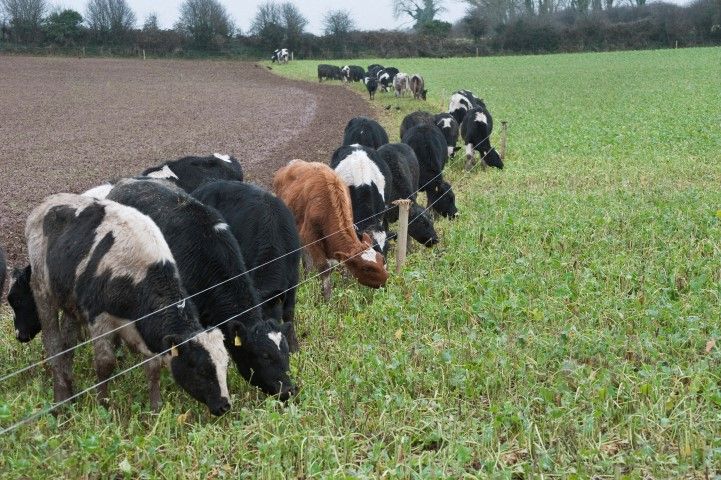
Feeding forage kale to weanlings is an alternative forage source to conventional feeding systems of rearing replacement dairy heifers where soil conditions are suitable.
According to Teagasc kale has a high feeding value (DMD > 80%; 1.03 – 1.05 UFL/kg DM) and is equivalent to early spring grass in terms of quality. It also has a high level of crude protein (16-18% CP) to promote animal growth.
For success with kale early June sowing is key. So now is the time to plan.
Requirements

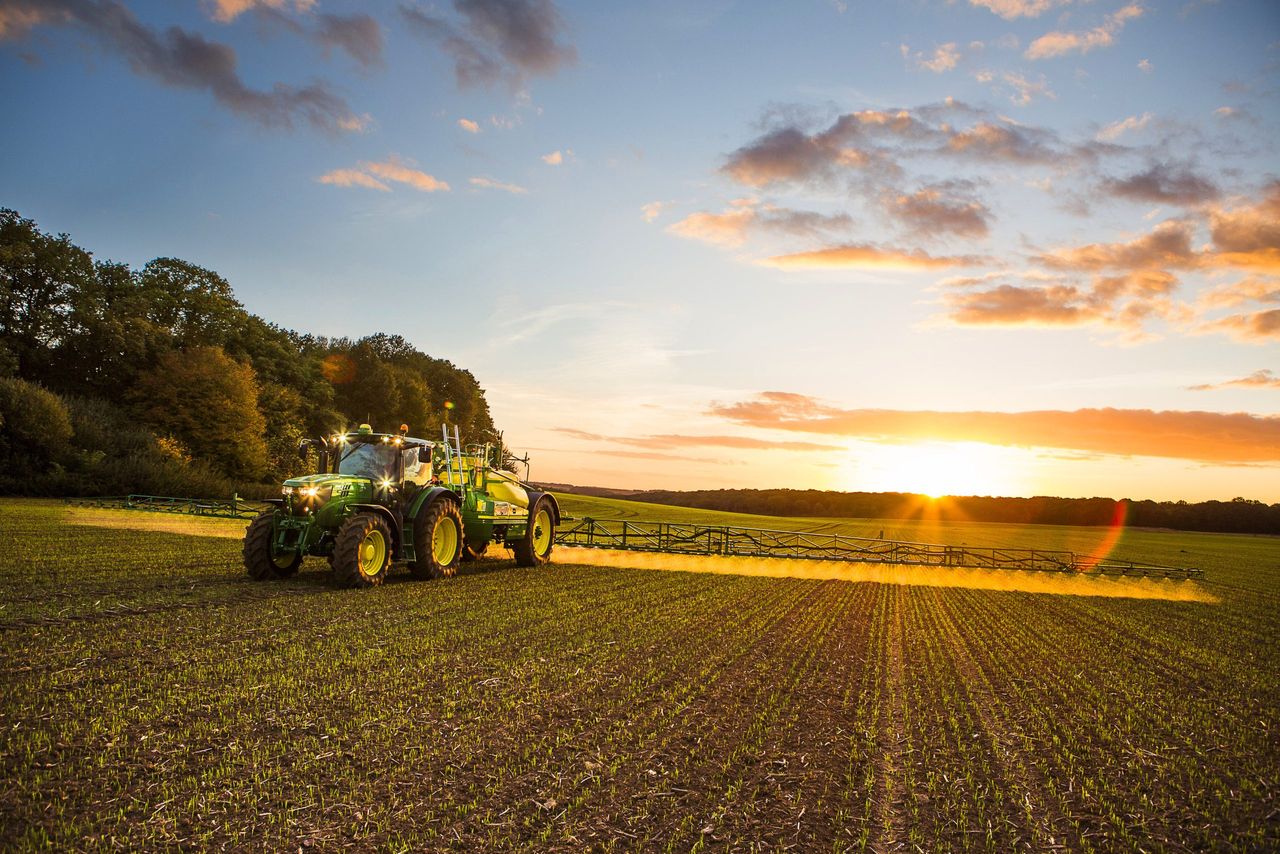
Weed failures are becoming common in early sown Kale as germination may be slow and weed seeds are more likely to germinate in May than June, thus increasing weed pressure. Perennial weeds such as Scutch grass, docks and thistles must be controlled by a glyphosate application pre sowing and a ‘stale’ seedbed may reduce weed burden.
April/May sowing - apply 1.5 l/ha Butisan S pre-emergence of the crop (cannot be applied onto broadcast crops). Rainfall and soil cover are critical for safe use – see label.
June sowing - should not need weed control.
Flea beetles can attack at emergence - eat small holes in the leaves. Control is rarely warranted in a fast growing crop. Control is by spraying with contact insecticide e.g. Decis 0.25 l/ha in 200 l/ha water.
The most damaging of caterpillar is the Diamond Back Moth which will lay eggs on the underside of each kale leaf. It is particularly damaging in warm weather. Decis at 0.3 l/ha in 600 l/ha water will give good control. Use an organo-silicon based wetter e.g. Slippa, SW7, Breakthrough etc. A repeat application may be necessary.
Club root is the main threat but kale is not as prone as other brassicas. A one in five year rotation for brassicas is suggested to keep Club root levels low. Club root can last 20 years in soils. Grampian and Caladonian are tolerant of Club Root but do not reduce the levels of the pathogen in the soil so another brassica grown in the future will suffer from the disease.