Genetic Technology Bill welcomed by CLA and NFU
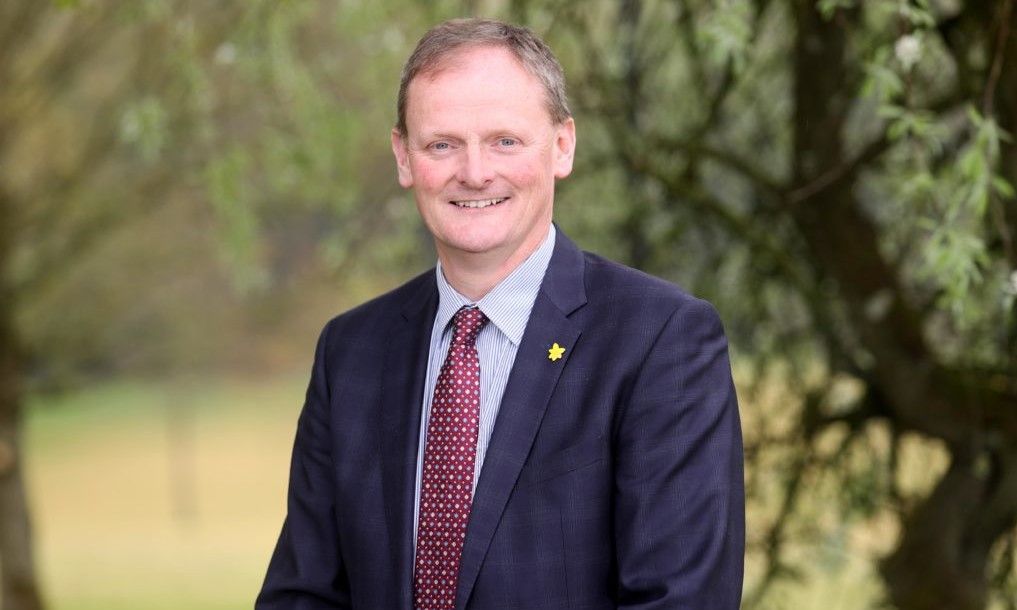
Today’s announcement of the Genetic Technology Bill from the government is good news for the agricultural sector, environmentalists and consumers, according to County Land and Business Association (CLA) president Mark Tufnell.
Tufnell, on behalf of the CLA, is one of many to welcome the Genetic Technology (Precision Breeding) Bill, which will be introduced in Parliament today (Wednesday, May 25).
“A research and innovation led food production policy is needed now more than ever, as we are faced with the most serious food security crisis for a generation," he said.
“New technologies will deliver clear benefits for the environment, in addition to maximising crop and livestock production by increasing crop yields and preventing losses from disease.”
An example of this can be seen in one of the government's case studies, where a research study showed potential in using gene editing to produce chickens that are resistant to avian influenza (bird flu).
This use of gene editing could thus help control the spread of the disease, which this year infected the most flocks in the UK ever.
David Exwood, vice-president of the National Farmers' Union (NFU), shares the same opinion as Tufnell.
"This science-based legislative change has the potential to offer a number of benefits to UK food production and to the environment and will provide farmers and growers with another tool in the toolbox as we look to overcome the challenges of feeding an ever-growing population while tackling the climate crisis," he said.
As does NFU Scotland president Martin Kennedy, who added:
“NFU Scotland believes precision breeding techniques such as gene editing have considerable potential to deliver benefits for food, nutrition, agriculture and climate change to build on the significant amount of work that farmers and crofters are already undertaking to establish more sustainable and resilient farming systems.
"It would also allow us to use new breeding techniques to breed more productive, efficient animals that produce lower emissions and need fewer inputs to protect their welfare. This could be crucial in enabling our farmers to become truly sustainable.”