Farmers urged to plan ahead to meet impending ammonia regulations
With ammonia regulations set to be enforced from as early as 2020, dairy and beef farmers are being encouraged to think ahead and consider how the new legislation could impact their businesses.
Tom Gill, Promar’s head of environment recommends that a proactive approach is key to meeting future regulatory changes.
“The recent government announcement to clamp down on ammonia emissions from agriculture, by introducing stricter controls on fertiliser use, slurry and manure management, and livestock housing, may have left some farmers feeling uncertain about the future sustainability of their businesses,” he said.
“However, given that the proposed regulations are mostly focused on the enforcement of best practice, which many farmers are already implementing to improve efficiency on-farm, they‘re therefore in a good position to reap the potential benefits on offer."
New ammonia rules
Proposed government regulations to reduce ammonia emissions from agriculture include:
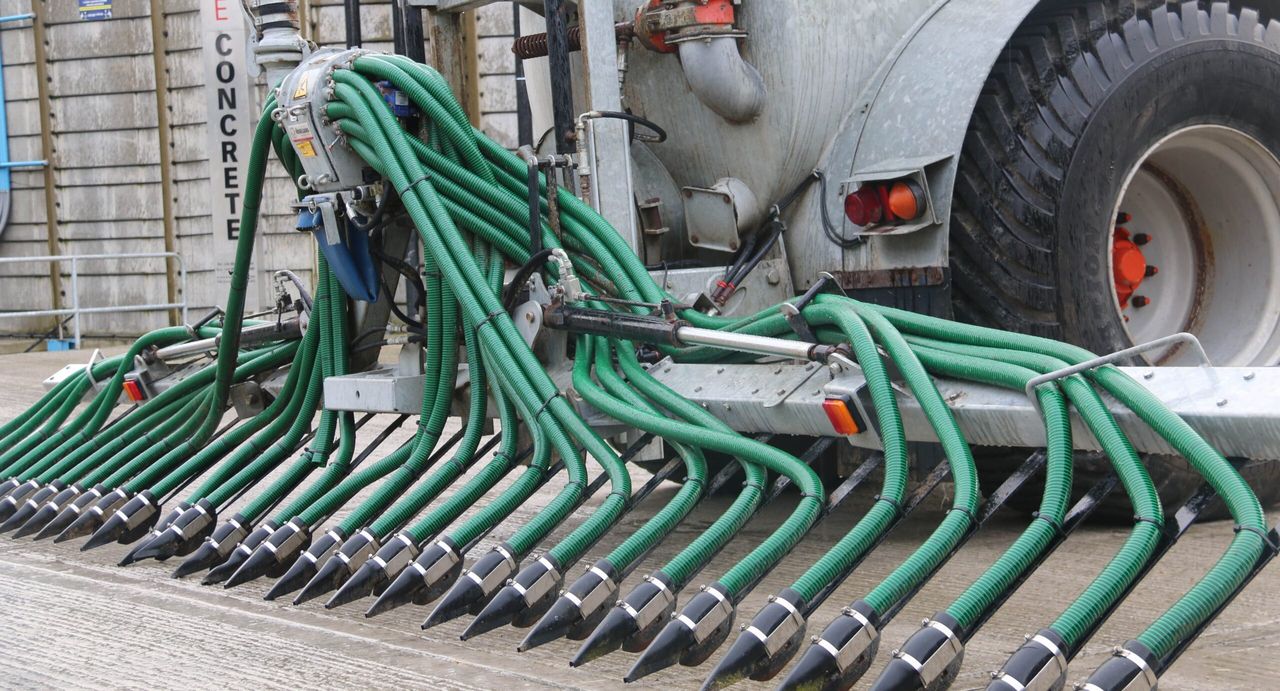
“The good news is that many farmers are ahead of the game and are already spreading slurry in such a way to maximise the additional benefits such as increased nitrogen (N) value,” said Gill.
“For example, using a trailing hose can increase the N value by approximately three units per 1,000gal. This can help save money on feed and bedding as it allows for a quicker return to grazing.
“The target date for slurry and digestate stores to be covered is 2027 and given that very few farms currently cover stores, farmers are going to have to make financial investments in order to comply.
“For this reason, I’d recommend that they take time to understand the new legislation, particularly when developing both short and long-term business plans because this will help ensure farms are one step ahead.
“The new legislation will be daunting for many producers; however, I think it’s a challenge that as an industry we should embrace. I believe that careful planning is key to maximising the available opportunities and minimising the potential impacts on business sustainability.”
Practical steps farmers can take to reduce ammonia emissions from agriculture: