Farmers urged to manage oilseed rape erucic acid levels ahead of lowered limit
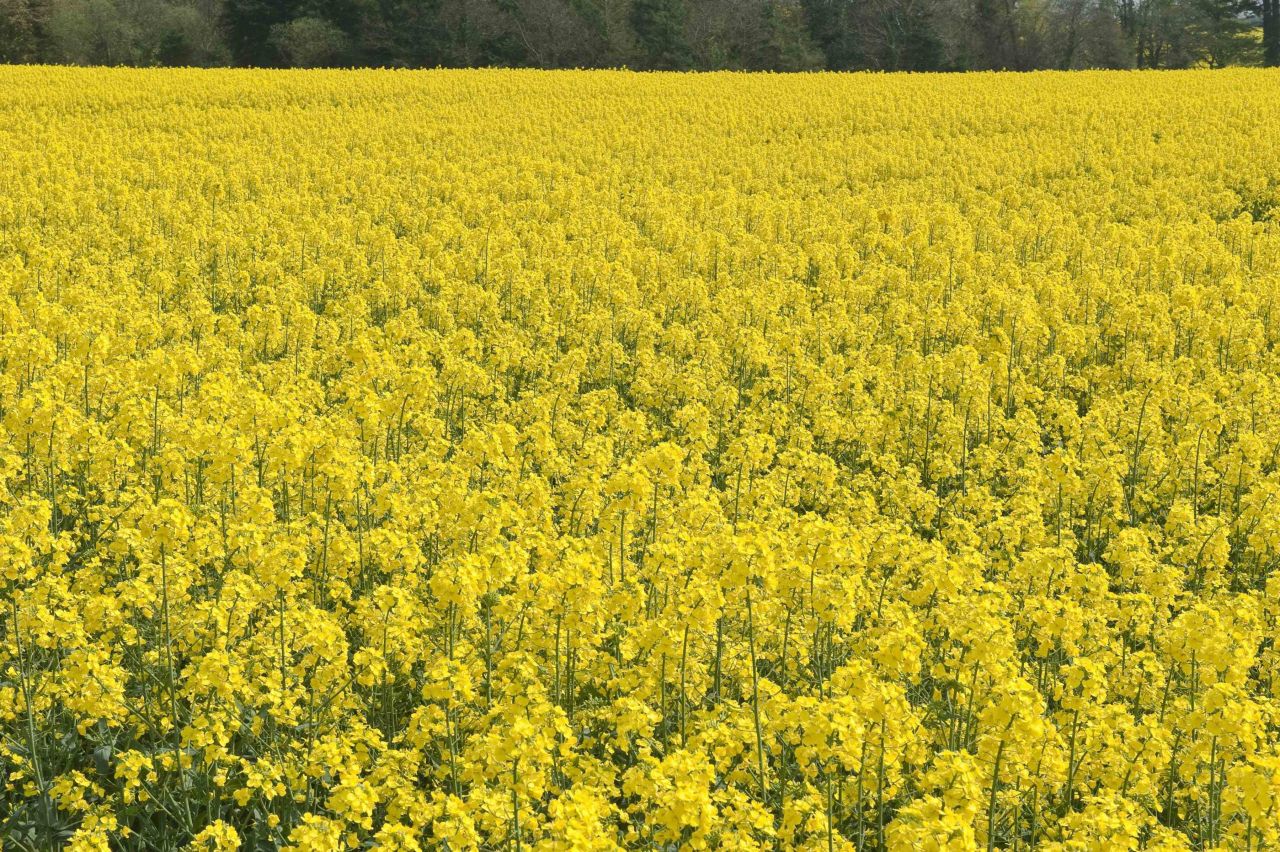
A unique collaboration between UK stakeholders has resulted in the production of erucic acid management guidelines for growers of oilseed rape (OSR).
It follows reports by crushers of higher than expected levels of the naturally occurring fatty acid in double-low OSR over the last three years.
'Costly rejections'
Centred on five ‘risk points’, the guidelines highlight key actions a farmer can take to minimise the risk of rapeseed exceeding legal or contractual limits.
For rapeseed oil to be used in food products, erucic acid levels must, by law, not exceed 5%. The current maximum level is set to 2% in most contracts.
Simon Oxley, Agriculture and Horticulture Development Board (AHDB) head of crop production systems, said: “Elevated levels of erucic acid in rapeseed destined for food and feed markets can result in costly rejections or deductions.
“Multiple factors are at play when it comes to crop contamination. Our guidelines highlight the key risk points that the farmer can control.”
The five risk points are:
The guidelines contain further information on each risk point, including examples of how risks can be mitigated.
The European Commission plans to lower the legal food standard for erucic acid to 2% - something expected to come into force as early as autumn 2018.
With some UK OSR deliveries exceeding both the 2% and 5% levels and standards set to become even tighter, the timely publication of these guidelines will help farmers meet standards, and avoid penalties and rejections.
An AHDB-funded research project, due to complete later this year, is using accepted and rejected samples from crusher intake to refine erucic acid testing methodologies and assess the influence of other crop and weed species in close proximity to a double-low crop.
A DNA test is also being developed to analyse leaf samples for genes associated with erucic acid production.