Calves with company found to grow the best
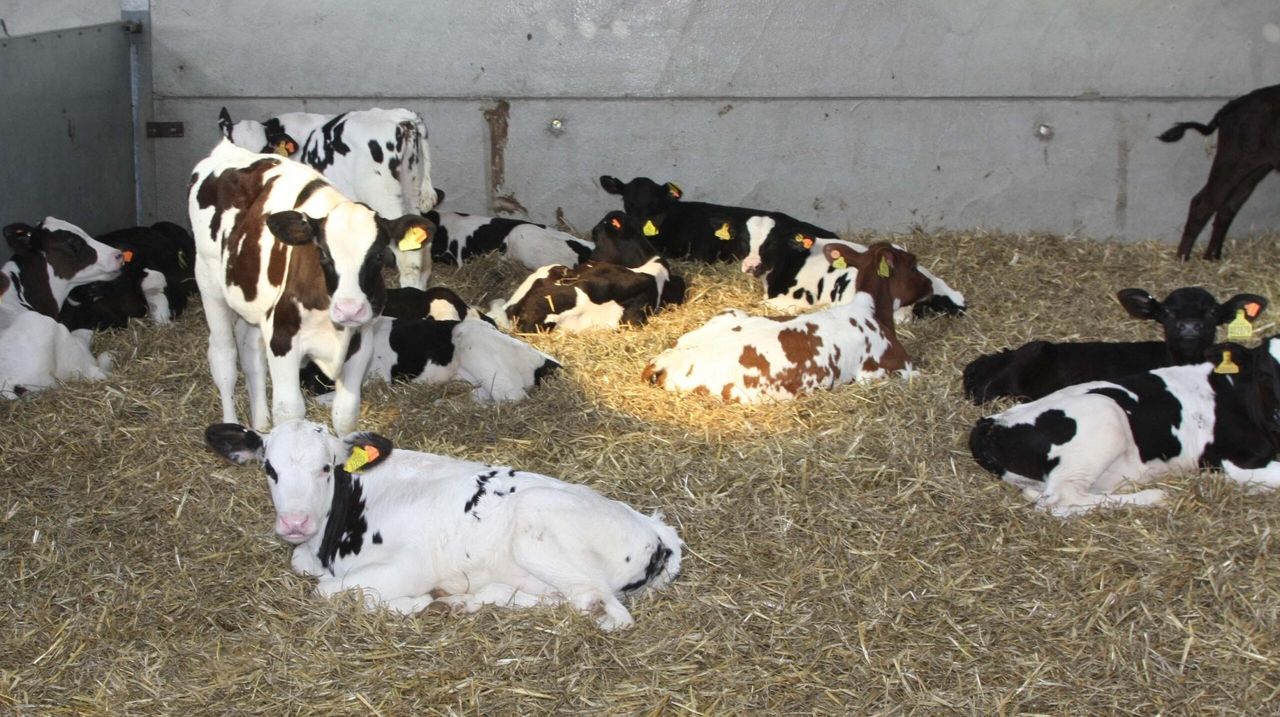
Calves housed in groups with computerised feeding perform better than those kept penned individually, according to animal nutritionists.
Less work, whilst feeding calves the high volumes of milk needed for optimal growth and lifetime productivity are the main attractions of computerised feeders.
But feeding calves in groups from an early age has other advantages, according to the specialist team at Volac International.
Some calves fed higher amounts of milk can be reluctant to eat starter feed, but those housed in pairs from one week of age consume more starter before weaning compared with individually penned animals.
Studies by the firm have found this is because of peer stimulation. The more starter eaten before weaning, the better the rumen development, which leads to better growth in the weeks around weaning.
Introducing young calves to pen mates when they are a week old pays health dividends too.
"Once calves are introduced to a group pen and fed with a computerised feeder it allows them to drink higher volumes of milk because multiple small amounts can be drunk throughout the day just as from the cow," Jason Short, Volac business manager, said.
More energy, more growth
This larger volume of milk provides the calf with more energy, which in turn improves health and growth.
It is suggested that calves should be individually housed for the first week of life before being moved into a pair or group.
"Of course, young calves should always be housed in a separate calf unit to reduce the spread of disease from older cattle to more susceptible youngsters," Short added.
For those considering moving forward this autumn by investing in computerised feeding, Volac offers 10 top tips for successful calf rearing.
Follow best practice colostrum feeding protocols. Follow the four 'Q's: Quantity, Quality, Quickly and 'Squeaky' clean.