Average farm income increases in Scotland

The average farm income in Scotland has risen to the second highest level since 2012, after adjusting for inflation, according to the Scottish Farm Business Income Estimates 2020-2021.
The estimates, published by the Scottish government, are based on a survey of around 400 farms.
The survey estimates income from a sample of farms with economic activity of over £20,000. The survey covers the 2020 cropping year and the 2020-21 financial year. The sample excludes farms not in receipt of support payments such as pigs, poultry or horticulture.
Support payments play an important role in farm income. Around 81% of all farms made a profit in 2020-21 and without support, this would decrease to 37% of all farms, according to the estimates report.
Average income
The average farm income, a measure of farm profit after costs, is estimated to be £39,300 in 2020-21.
This is an increase of over £10,000 on the previous year.
Total input costs decreased 5% to £207,900. This small change in inputs had a large positive impact on overall income.
In particular, commercial dairy farms had a good year. Average income was estimated at £99,600, the highest value since 2012.
The average income in general cropping farms decreased, but this was mainly driven by a decrease in output from potatoes.
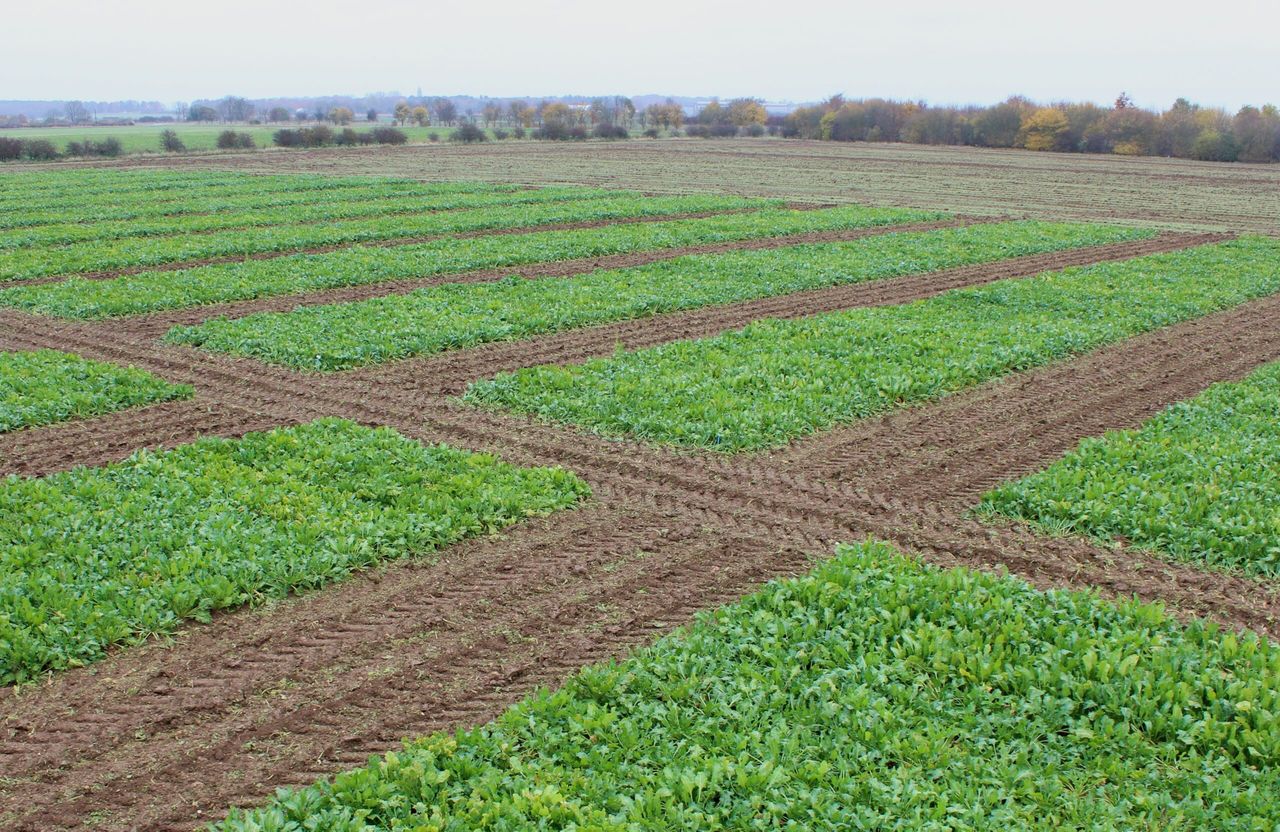
Cereal farms have performed well over the last three years. After a decrease in income in the previous year, average income has increased to around £68,400. This is the highest estimate over the last nine years, driven by increased crop output and decreased input costs.
Lowland cattle and sheep farms experienced an increase in income to £29,900. This rises above the average for the last nine years, following two years of below average income.
The average income of mixed farms increased to £45,300 in 2020-21, its highest estimate over the last nine years. Increased cereal and livestock outputs contributed to increased income.