Anglesey farmers to be advised on TB measures
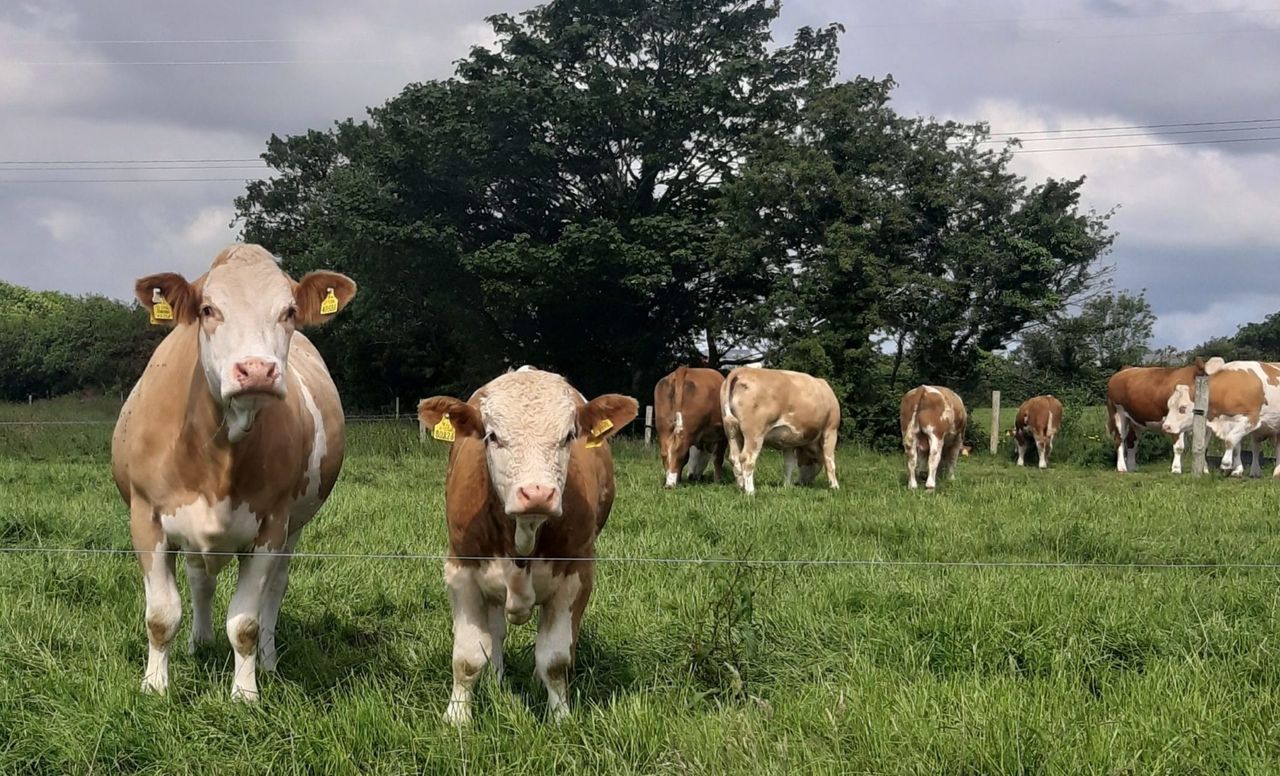
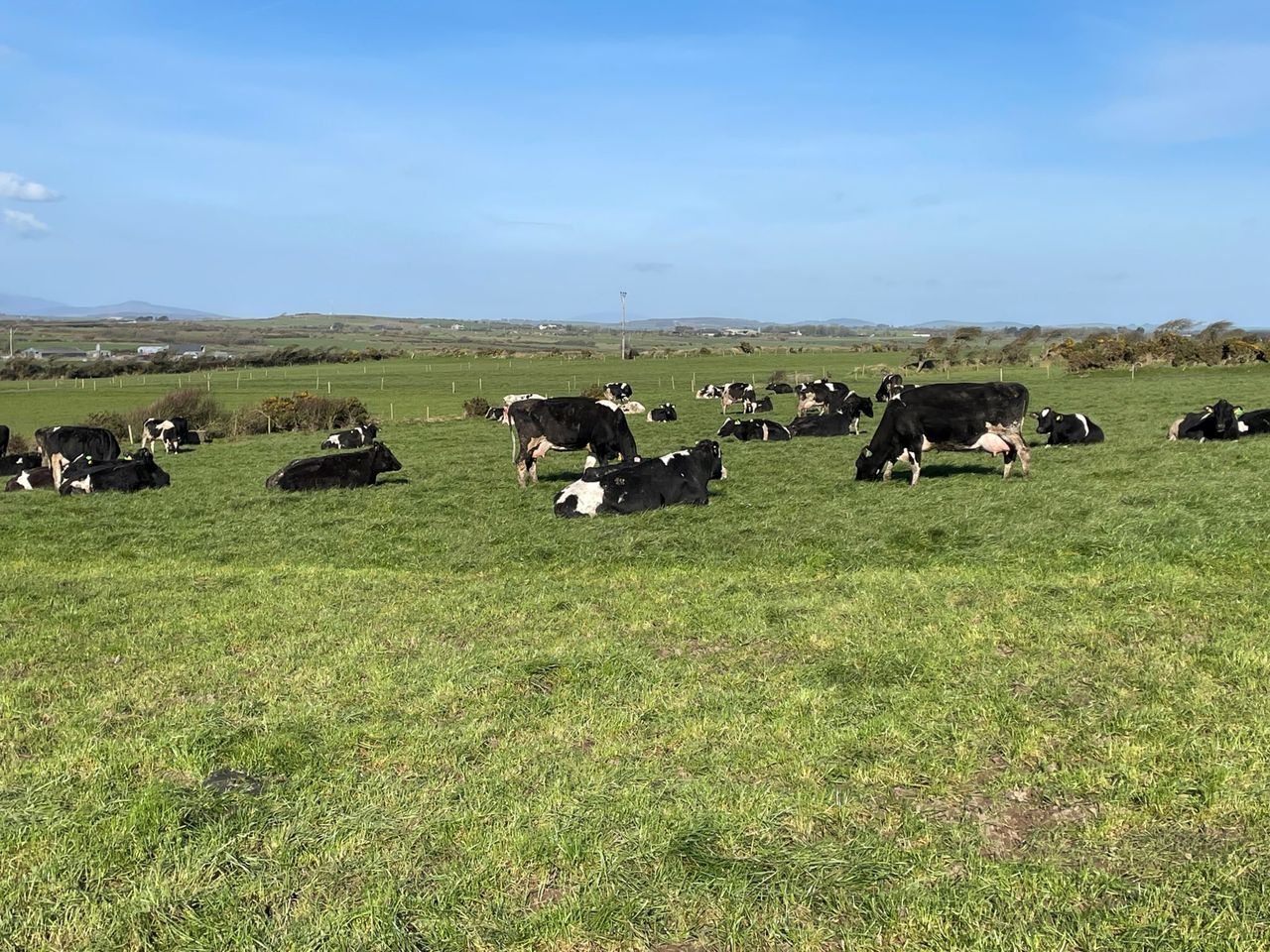
The Welsh government is set to issue advice for cattle keepers on Anglesey to help keep bovine tuberculosis (bTB) incidences on the island low.
Latest surveillance data figures show that the average number of open breakdowns at the end of each quarter for the year to September 30, 2022, was six. This compares to 5.5 for the previous year and 3.25 for 2017.
The government said the figures on the island remain "reassuringly low" compared to other areas of Wales, but the recent rise in incidences and prevalence is a "cause for concern" along with increasing disease confirmation rates and numbers of cattle culled for TB control reasons.
These early trends are suggesting that this may be another area with emerging bTB, following on from now established clusters in rural Wrexham and more recently in Denbighshire and the Conwy Valley, the government said.
"Numbers are reassuringly low compared to other parts of Wales, but we are taking action now to keep it that way as figures show a rise in the prevalence of the disease," Minister for Rural Affairs, Lesley Griffiths said.
“All cattle farmers on Anglesey will receive a letter over the next week advising them of the measures they can take now to protect their herd."
To stay ahead of the disease picture in Anglesey and to protect the wider lower incidence areas of north Wales, additional disease control measures are being considered and developed.
While these measures are being developed, the Welsh government has asked farmers to do the following to help protect their herd:
- If you need to purchase cattle, make sure you understand the TB status and history of the herd and area you are buying from. Be mindful of individual animals’ TB testing and movement history. ibTB (ibtb.co.uk) is a useful online interactive mapping tool set up to help cattle farmers and their vets understand the level of bovine TB in their area and manage the risks when purchasing cattle;
- If you bring cattle into your herd, make sure they are isolated pending Post-Movement Testing (if applicable);
- Ensure your herd is protected from disease by putting in place high standards of biosecurity. Your private vet will be able to advise you of measures you can put in place to protect your herd;
- If your herd has a TB breakdown, take up the free Cymorth TB veterinary visit offered to you. This will help support you with practical information to help eradicate TB from your herd at the earliest opportunity.
There have been no TB-positive badgers identified as part of the Badger Found Dead Survey on the island.