'Ambition must be matched by action' - farm orgs react to Defra roadmap

Several UK farming organisations have called for action from the Department for Environment, Food and Rural Affairs (Defra) to match the ambitions outlined in its new Farming Roadmap.
While many welcomed Defra's new set of plans for farming until 2050, farming unions also urged the government to ensure that the objectives are delivered upon effectively and in a reasonable timeframe.
According to the National Farmers' Union (NFU), the department must ensure that there is a "a real sense of urgency in delivery" with its roadmap, fuelled by Treasury investment and government focus on food security.
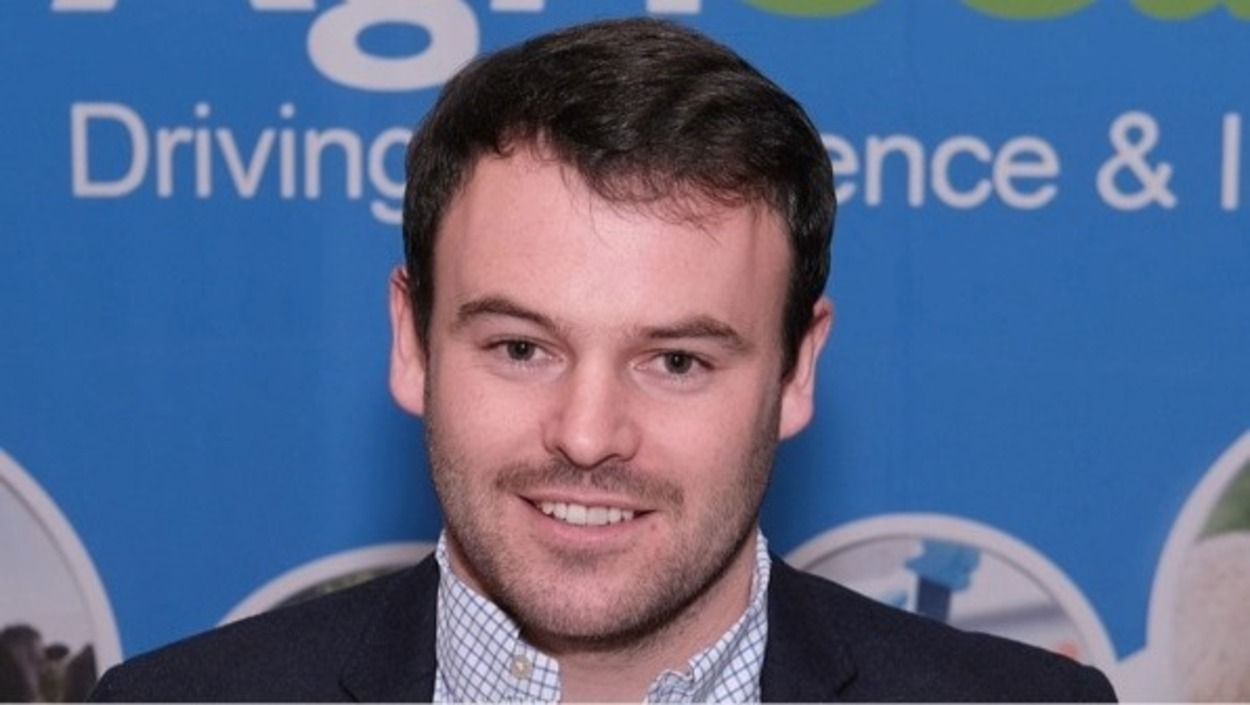
The president of the NFU, Tom Bradshaw noted that he was encouraged to see that Defra's plans focus in on resilience, profitability, productivity and sustainability - all areas that the farming union has reportedly urged the government to prioritise.
However, Bradshaw did not shy away from voicing his concerns regarding the roadmap as well.
He said: "While the roadmap is full of ambition, it falls short on action and even shorter on the means of delivery
"The roadmap sets out a welcome multi-year direction for farming, yet there is no long-term funding to go with it.
"Intent alone won’t deliver a secure and affordable supply of homegrown food for the nation."
In Bradshaw's eyes, the Treasury is "conspicuously absent" within the plans and he claimed that the roadmap "tips the balance of risk even more onto the shoulders of farmers".
He called upon government bodies, including Defra, the Treasury, and the Ministry for Housing, Communities and Local Government, to establish a "greater relationship" with farmers to ensure that the roadmap's vision is delivered.
Climate
With this week's heatwave serving as a reminder of the UK's "more volatile climate", Bradshaw recommended a list of measures to Defra to help farmers adapt with extreme weather changes.
He commented: "Let’s review abstraction licensing rules to ensure they’re fit for purpose, let’s stimulate investment in on-farm water storage, and reform the planning rules to make building reservoirs easier - these are all things the government could do right now to help boost productivity growth.
"It’s also vital that food production is given equal legislative weight to the UK’s climate and environmental targets.
"The roadmap states that ‘food production will remain the primary purpose of farming and central to national security’ – the government must be given a clear mandate to drive this forward, or our ability to produce the nation’s food will simply succumb to the whims of future governments."
CLA
The Country Land and Business Association's (CLA) reaction to Defra's roadmap echoed several sentiments made by the NFU, with the group recognising that "for many farmers, the immediate challenge is staying profitable".
The president of the CLA, Gavin Lane noted: "High costs, low returns and increasingly volatile weather continue to put huge pressure on farm businesses.
"The roadmap must now be matched by action.
"Farmers need a stable policy environment, greater clarity on farming schemes, meaningful planning reform and a more joined-up approach to rural affairs across government," he added.
Lane also stated that "without profitable farm businesses, the government's ambitions for food production and nature recovery simply will not be achieved."
The Rivers Trust
As a charity who "works closely with farmers", the Rivers Trust expressed that it was "great to see the government recognising the critical role of farmers for the environment, economy, and communities, as well as the need for them to have long-term certainty."
The Rivers Trust said that the farming sector "has been a victim of fractured, and sometimes contradictory, policies for far too long".
The charity urged Defra to ensure the introduction of "robust regulation and strong incentives" in order to achieve the roadmap's objectives.
The chief executive of The Rivers Trust, Mark Lloyd outlined: "Rivers are a product of the catchment areas they drain and so recovering the health of our rivers relies heavily on changing the way land is used, with 70% being farmland.
"If we are to build resilience to droughts and floods, and reverse the steep decline in biodiversity in the UK, we need to dramatically scale up the collaborative delivery of nature-based solutions that slow the flow of water and create more watery wildlife habitats.
"This must be delivered in partnership with farmers, water companies, infrastructure providers, local authorities, businesses and others working to an agreed catchment plan, based on sound evidence."
The charity encouraged Defra to use its new roadmap to facilitate "the widespread adoption of a more holistic, catchment-based approach to land management".
The Rivers Trust added that it is "determined to play a central role" in this transition through the provision of free and confidential advice to farmers, informing them on how they can access funding that could make their businesses more sustainable and more beneficial for rivers around their farmland.